
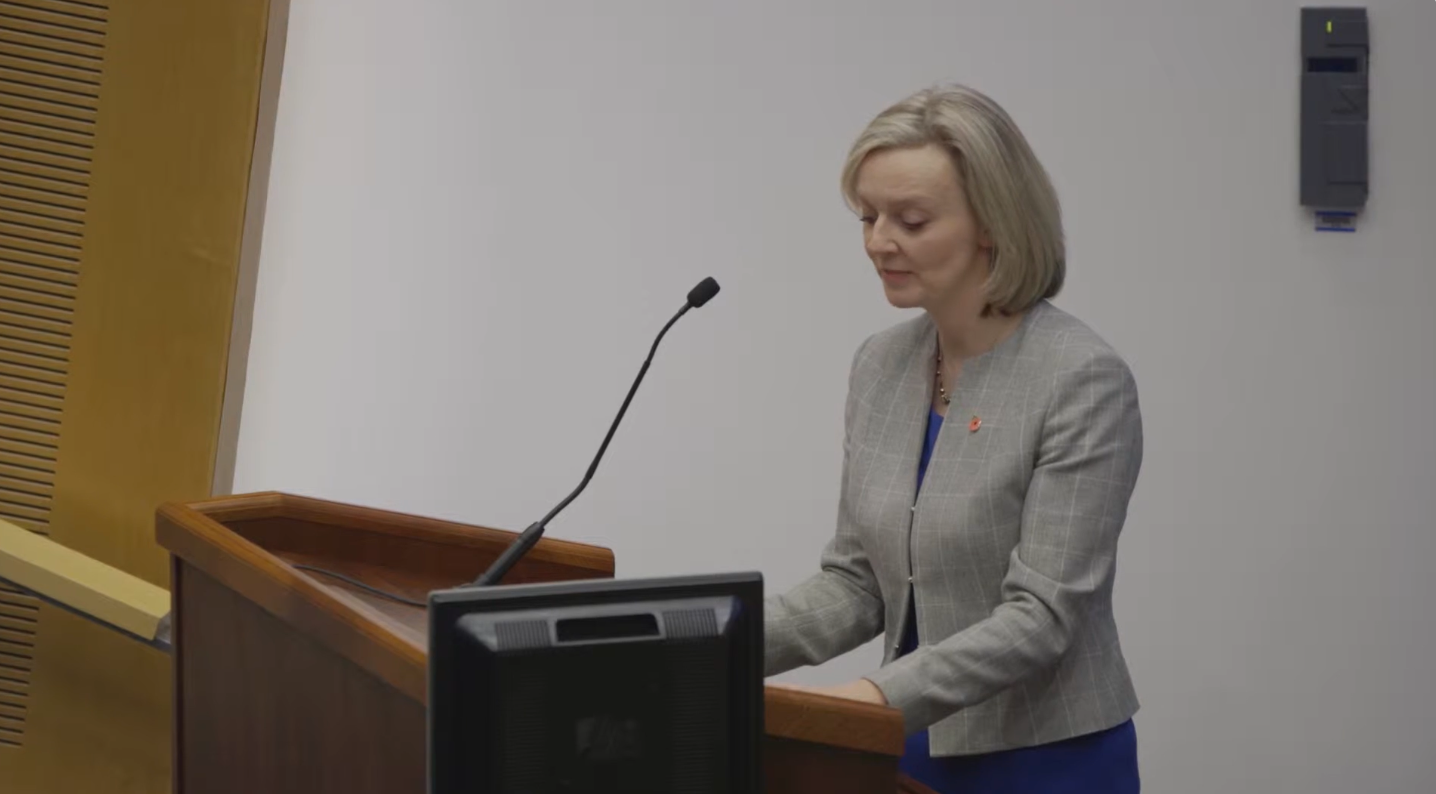
Liz Truss (speaking as the UK’s first female Lord Chancellor) argues that the legal profession’s global reputation is driven by talent and innovation, and that to keep leading the world, it must fully use the talent of women and ethnic minorities.
She highlights women who challenged the status quo in law (from early pioneers who pushed for the right to qualify nearly a century ago, to reforms like the Family Law Act 1996 on domestic violence) and notes figures such as Dame Linda Dobbs, the first Black High Court judge. She frames this as “talent for talent’s sake,” not “diversity for diversity’s sake.”
Truss says progress is too slow: only 17% of QCs are women and 5% are from ethnic minority backgrounds, and those numbers have been stagnant for five years. She calls for tackling practical barriers and outdated workplace culture (presenteeism), praising flexible models like Obelisk Support (outsourcing and flexible legal work measured by results rather than hours), which can particularly help working parents.
She then announces plans to widen and reform judicial recruitment, allowing more experienced lawyers from diverse backgrounds to become judges. Key changes include:
-
Recorder recruitment (expected Feb 2017): selecting the top 100 applicants without requiring a specific practice area or location constraints.
-
Wider direct entry routes to the High Court: opening the door to candidates without traditional judicial backgrounds (e.g., academics, in-house counsel, and solicitors).
-
A faster, clearer pathway for strong candidates (including through deputy High Court judging), with “merit” explicitly including potential, backed by training and support.
Her closing message: the system needs the best people from every background, and change won’t happen by waiting, it needs active, collective effort to break barriers.
