
Timeline
The First 100 Years Digital Museum has charted the journey of women in law from 1859 to 2020. You can follow our timeline to learn more about the key landmarks since Maria Rye set up a law stationer’s business in Lincoln’s Inn to provide employment for young women in 1859.
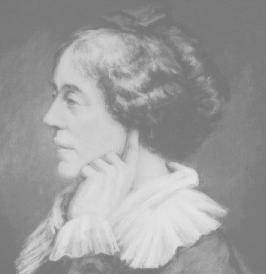
The office trained women clerks in copying legal documents. Legal copying required skill and accuracy, and was a trade appropriate for women as it was seen as ‘lighter’; they could sit, rather than stand. Good handwriting was required, seen as a skill appropriate for women.
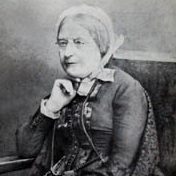
Their request was denied, underscoring the systematic barriers women faced in entering the legal profession.
Henry Morley, Professor of English, commented that 'I need not say how strongly I feel that it is the business of (UCL) to be boldly first in recognising fully any new and real want of time'.
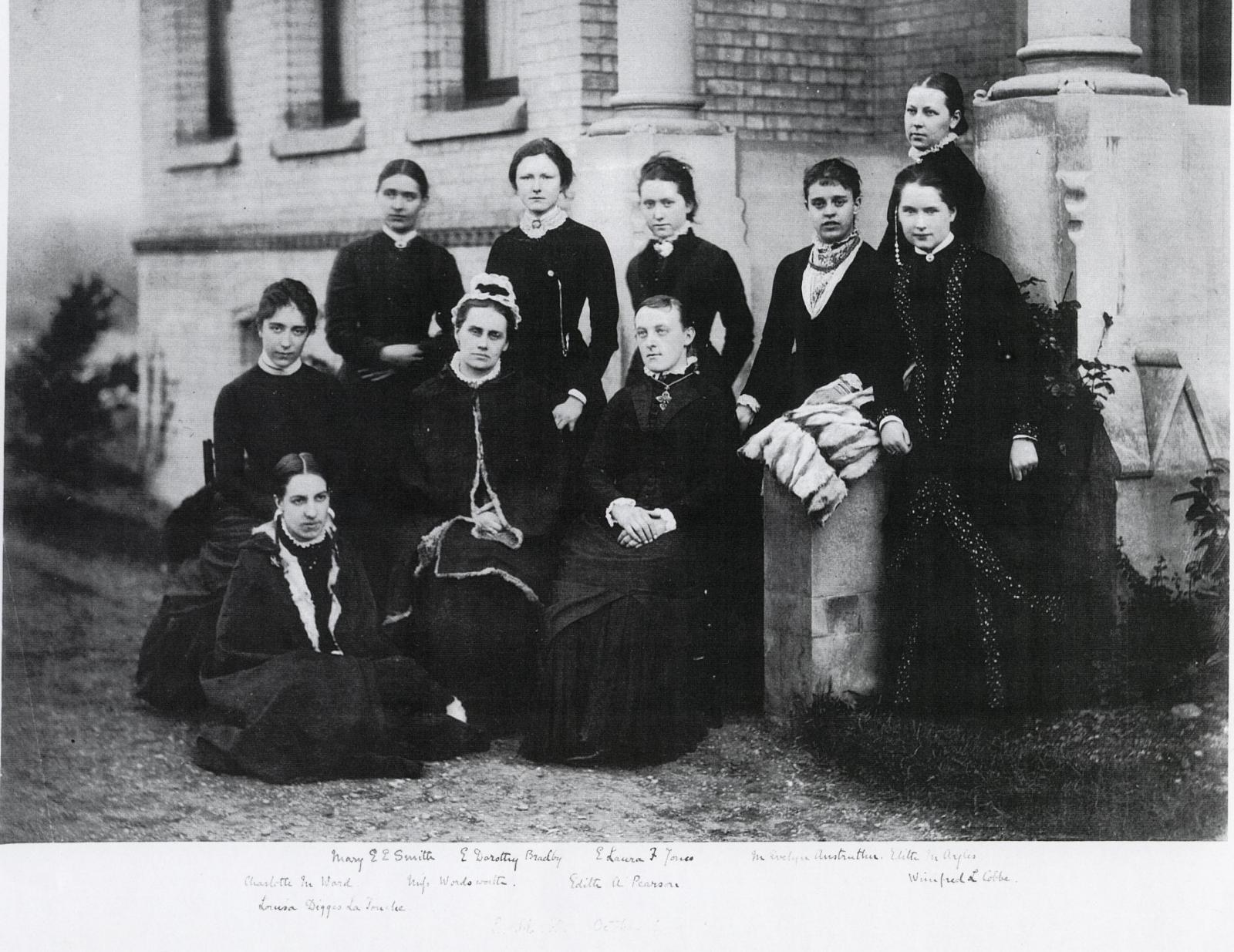
This group was a significant early initiative in the struggle for women's entry into the legal profession in the United Kingdom.
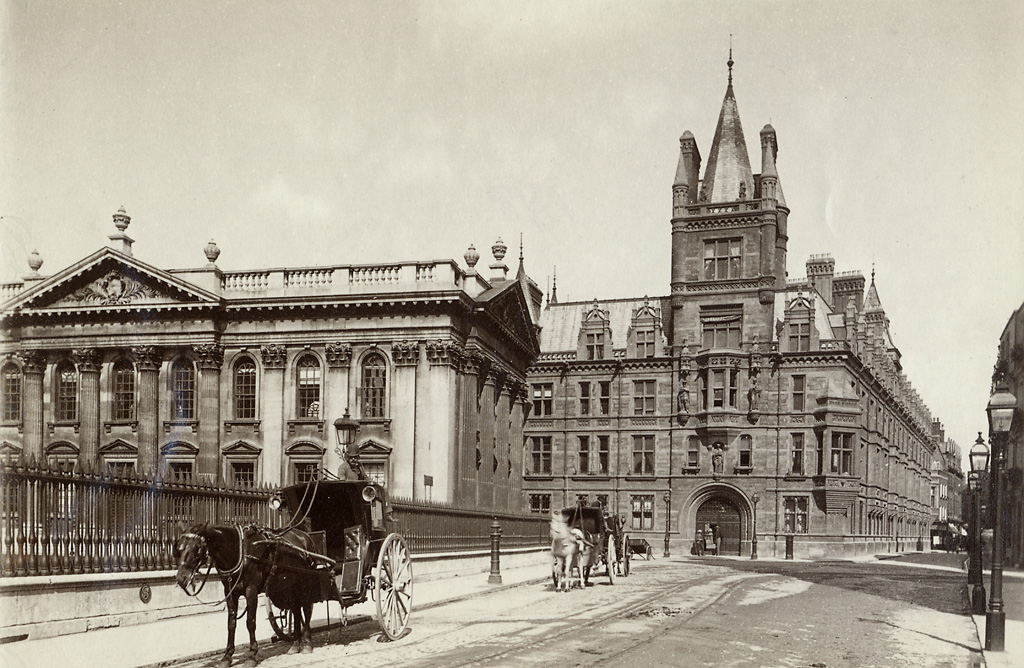
At the time, women were obliged to take a “Special Exam for Women” of equivalent standard to the men’s degree exam, in which she obtained first-class honours. Women were not granted degrees at Cambridge until 1947.
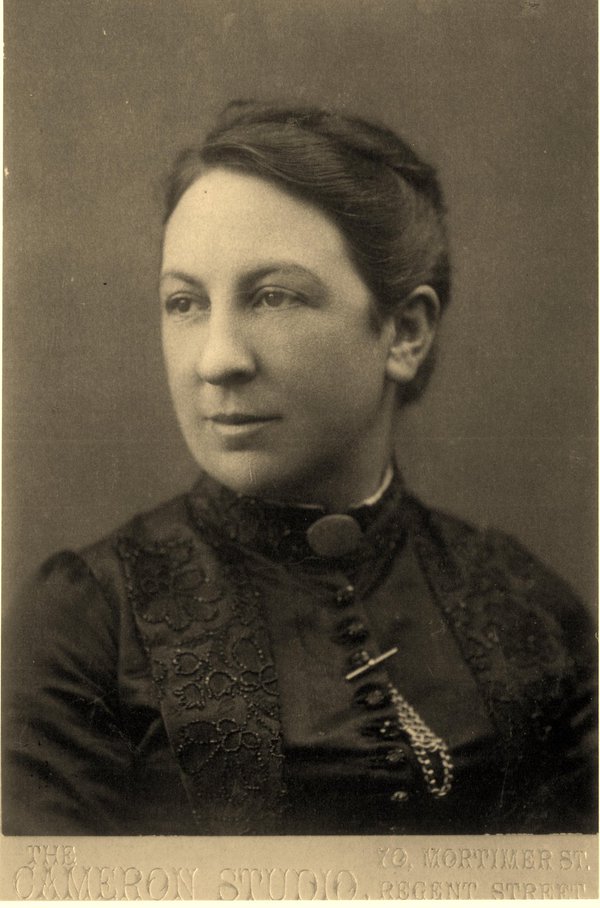
In 1879, Eliza Orme applied to take the Law Society’s exams to become a solicitor but was refused.
Helen Taylor made history in the 1885 general election as Britain's first woman prospective parliamentary candidate, standing in Camberwell North as an Independent Radical Democrat.
Eliza Orme (1848-1937) was the first woman in England to earn a law degree, in 1888 at University College London.
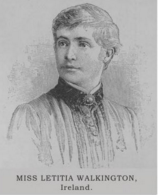
Letitia received her LLB from the Royal University of Ireland in Dublin.
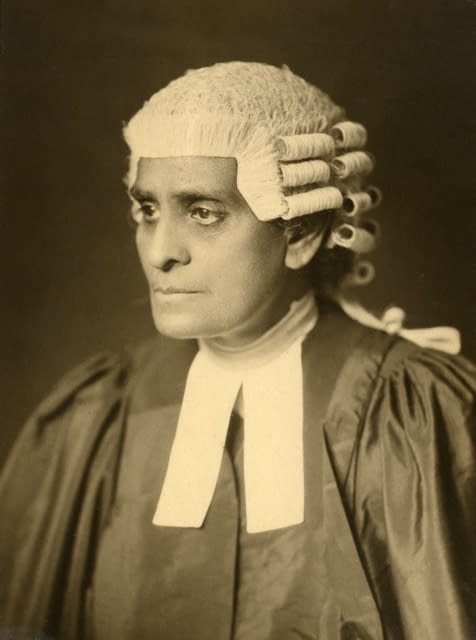
Cornelia Sorabji was the first female graduate from Bombay University and was the first woman and the first Indian national to study the postgraduate BCL degree at Oxford University.
However, she could not qualify as a solicitor until after the 1919 Sex Disqualification (Removal) Act. She went on to become the first woman councillor in London.
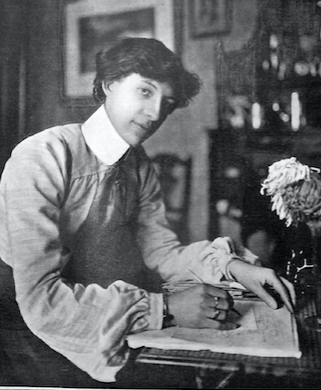
In March 1903, Bertha Cave applied to be admitted as a student to Gray's Inn, for the purpose of being called to the Bar. This was the first time a woman had applied to an Inn with the express purpose of being called to the Bar.
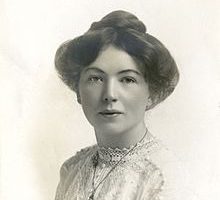
She was the first woman to graduate from the Victoria University, Manchester (now the University of Manchester), and the only woman studying law throughout her degree 1903-6.
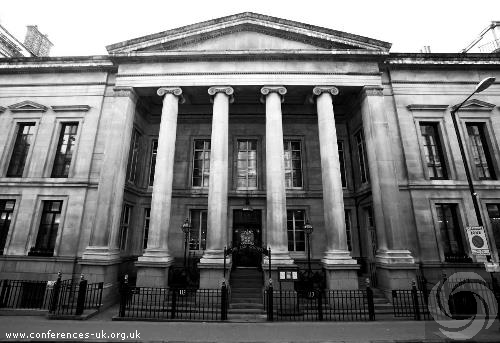
Edward Bell championed women's entry into the legal profession from around 1910, supporting the pivotal Bebb v The Law Society case (1913).
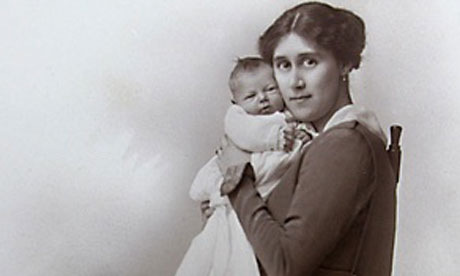
Bebb v The Law Society was an unsuccessful legal action by Gwyneth Bebb and three other women, Maud Crofts, Karin Costelloe and Lucy Nettlefold, to get the Law Society to admit them to its preliminary examinations, on the basis that women were a ‘person’ within the meaning of the Solicitors Act 1843, and so was entitled to be admitted.
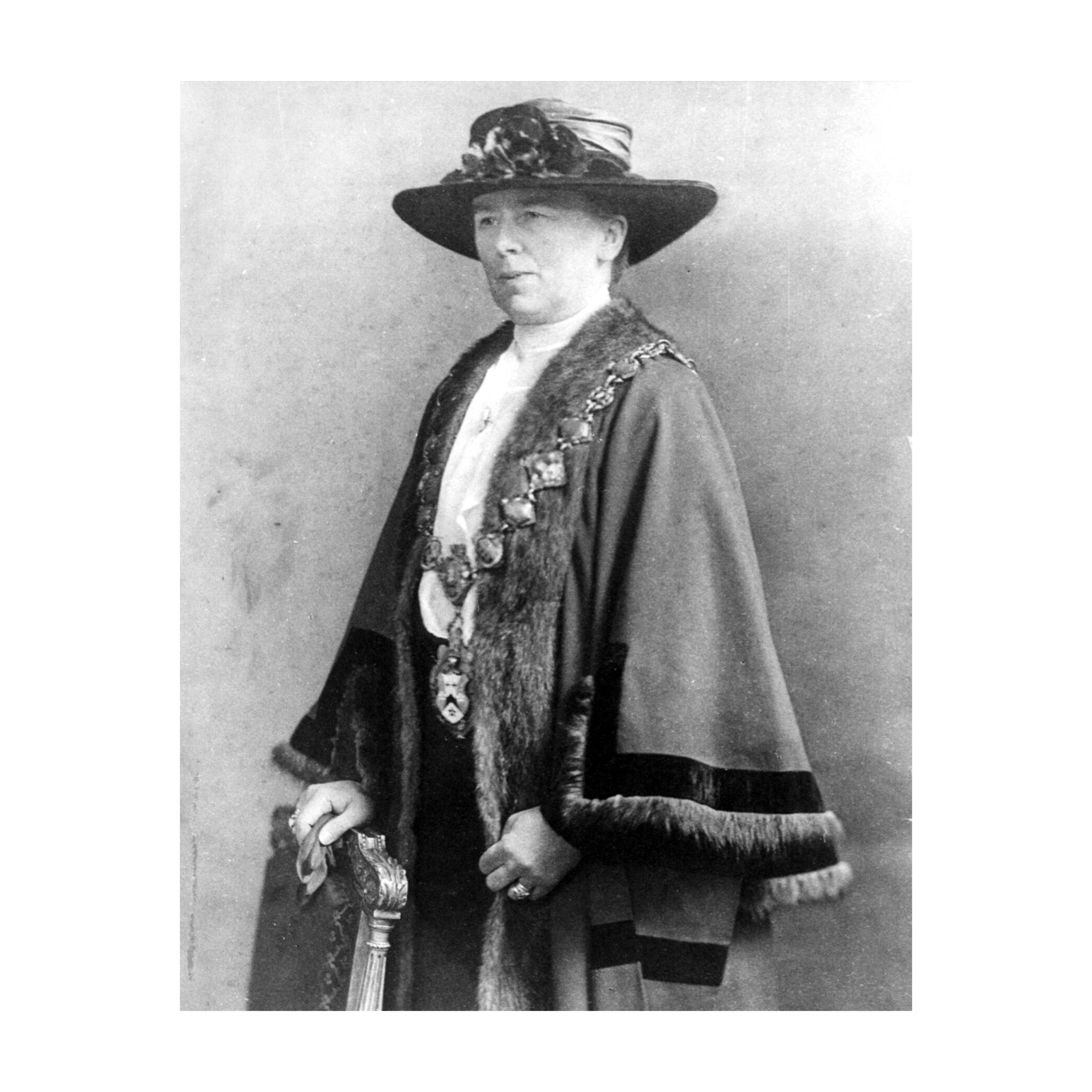
Ada Jane Summers became the first British woman to sit as a magistrate. She was also the first female councillor and mayor of Stalybridge.
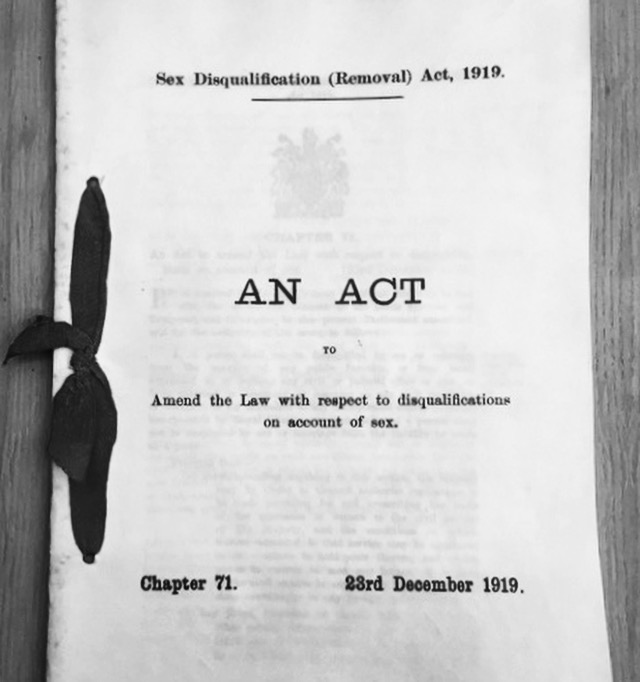
This law ensured women’s entry into the professions for the first time, after a protracted legal battle.
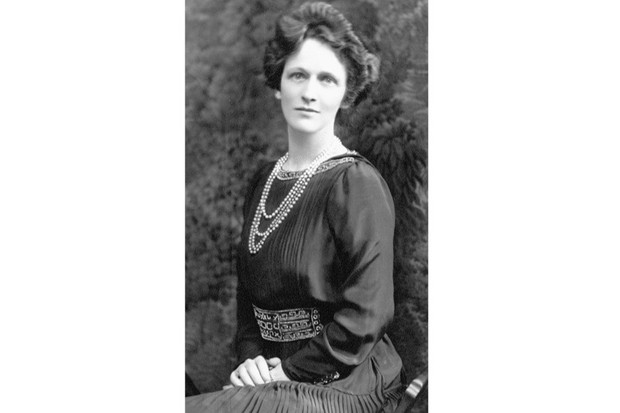
On 28th November 1919, Nancy Astor became the first woman to take her seat in the House of Commons after she was elected MP for Plymouth Sutton.
Georgina Frost became an Irish court official, the first woman to hold public office in the United Kingdom of Great Britain and Ireland.
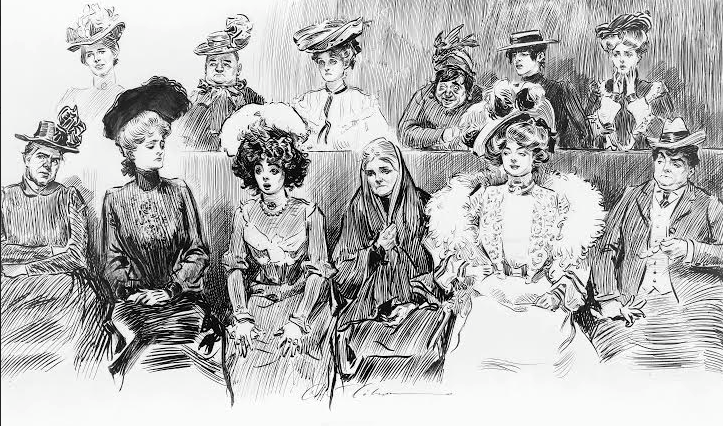
On the 29th July 1920, the first female jurors in England were sworn in at Bristol Quarter Sessions.
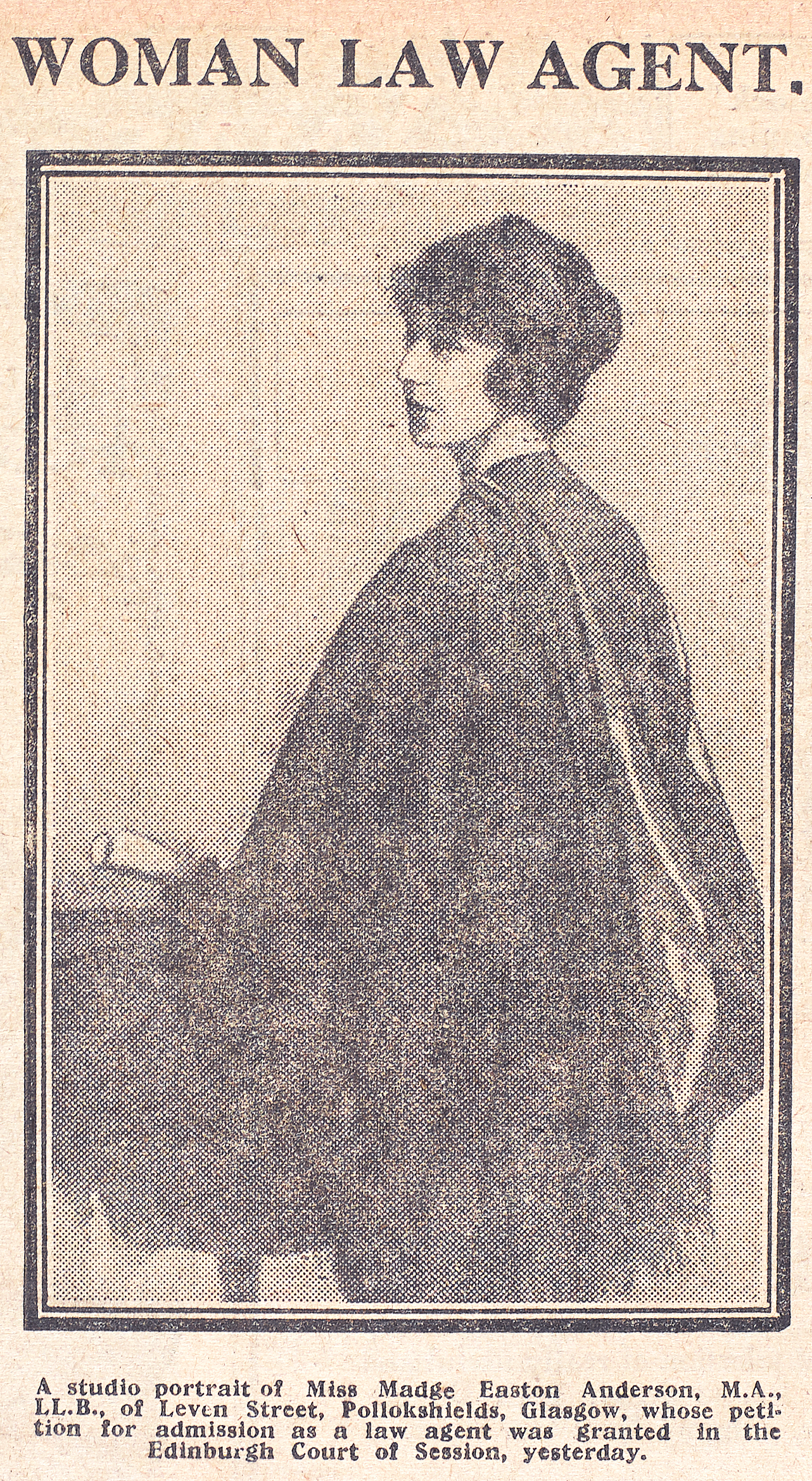
Madge Easton Anderson was the first woman admitted to practise as a professional lawyer in the UK, after qualifying as a solicitor in Scotland.
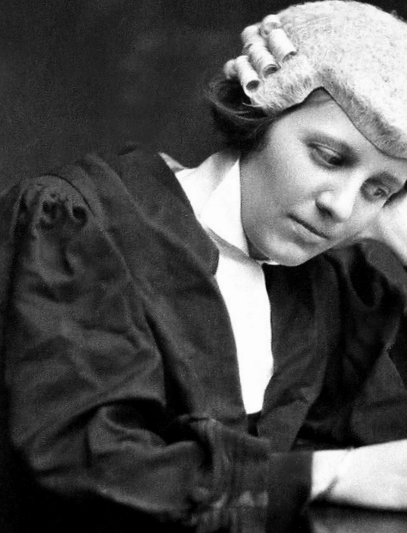
It was the first call to the Bar since the Irish Republic had become independent, and was almost a year before the first woman was called to the English Bar. It made headlines in Dublin, New York, London, and India.
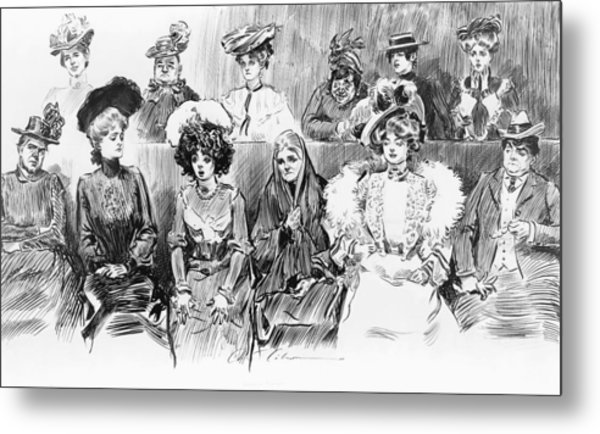
The first female jurors sat in Edinburgh Sheriff Court and heard five cases of industrial accidents.
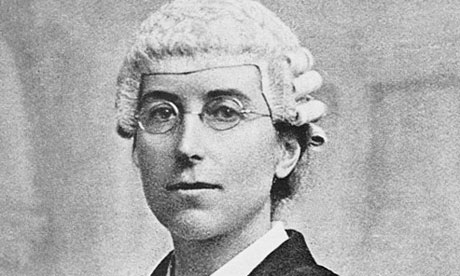
Dr Ivy Williams was the first woman to be called to the English Bar on the 10th May 1922, although she never practised as a barrister, instead becoming the first woman to teach law at an English university.
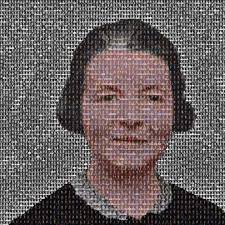
On 18th December, Carrie Morrison became the first woman to be admitted as a solicitor in England. For women who did not have fathers or husbands who were lawyers it was often financially impossible for them to get articles.
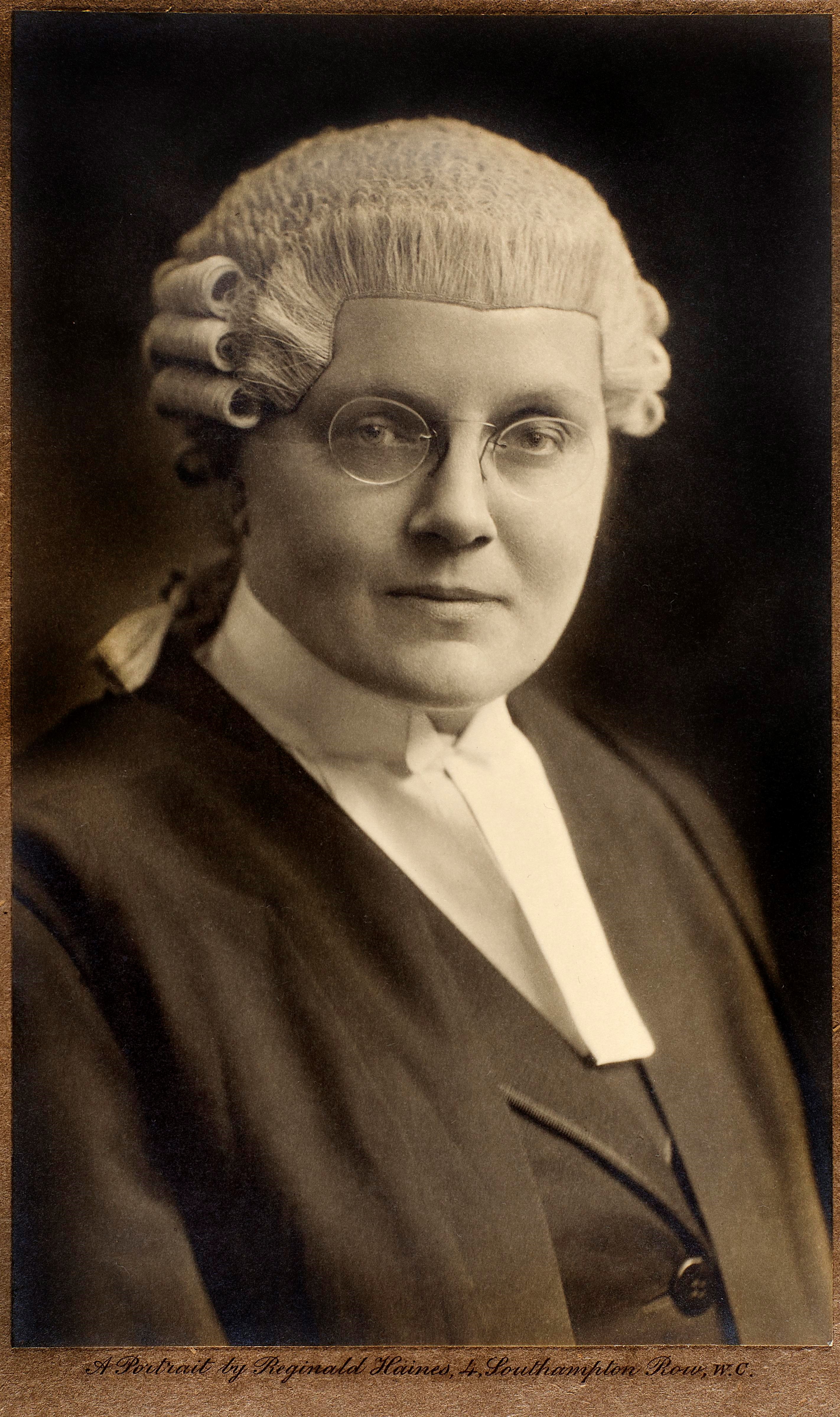
She was called to the Bar in November 1922 at Middle Temple, just a few months after Ivy Williams.
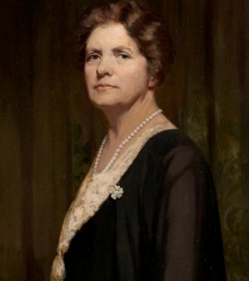
Margaret Haig Mackworth, neé Thomas, was a Welsh peeress and suffragette
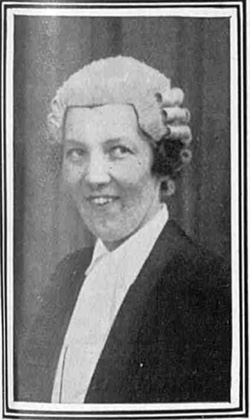
Margaret Kidd was the first female member of the Faculty of Advocates, and remained the only female advocate in Scotland for over 25 years until she was joined by Isabel Sinclair.
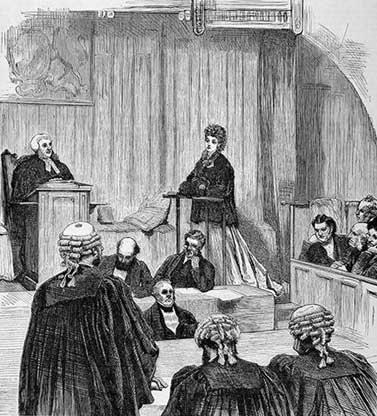
This meant that women could also appeal for divorce on the sole basis of adultery; previously only men could make this claim.
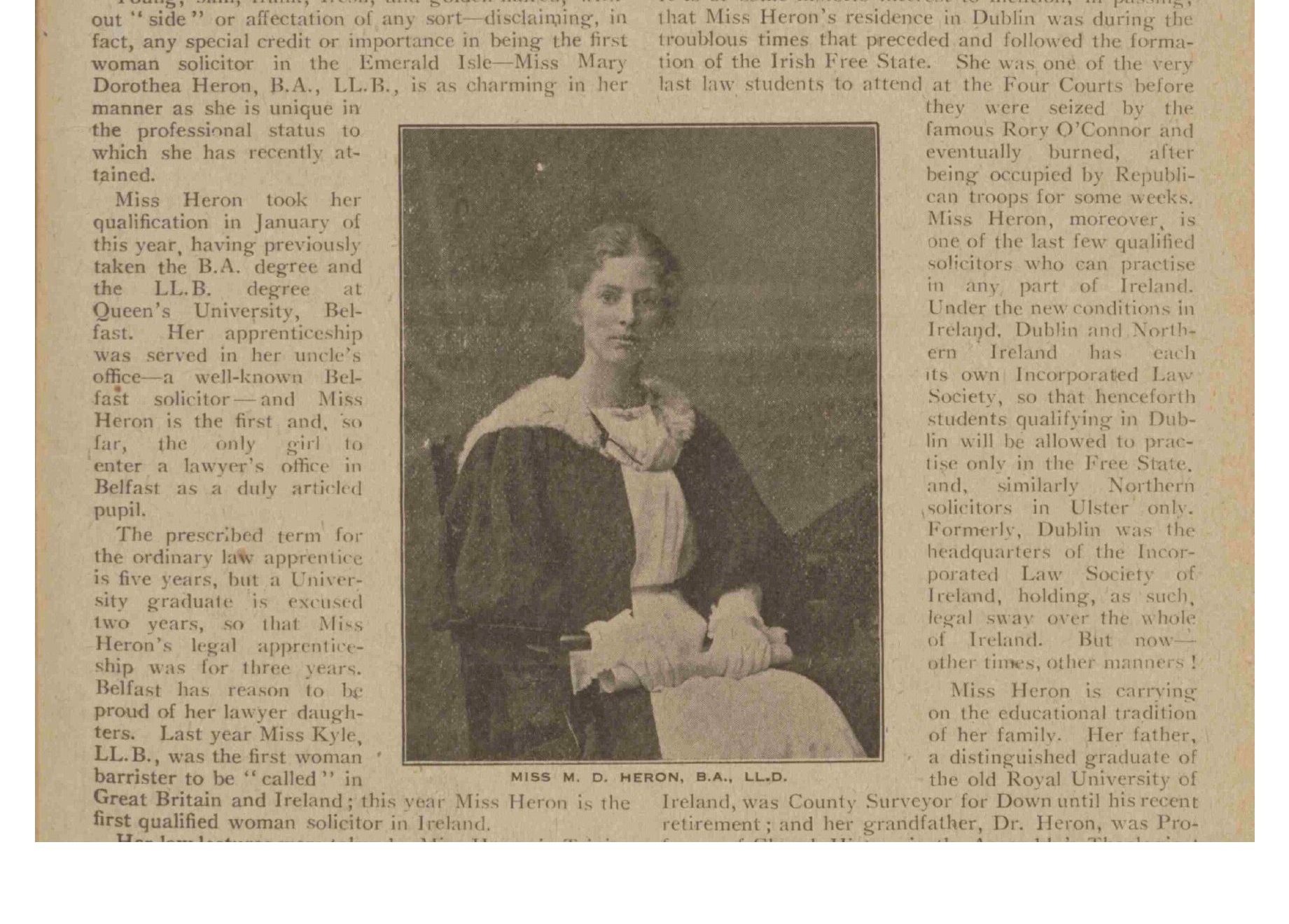
Mary Dorothea Heron became the first woman admitted as a solicitor in Ireland, although she never took out a practising certificate.
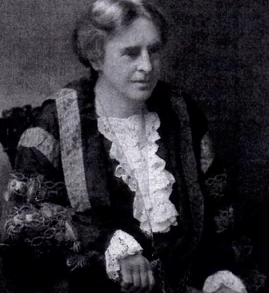
Ethel was appointed the first Lady Lord Mayor of Norwich in 1923.
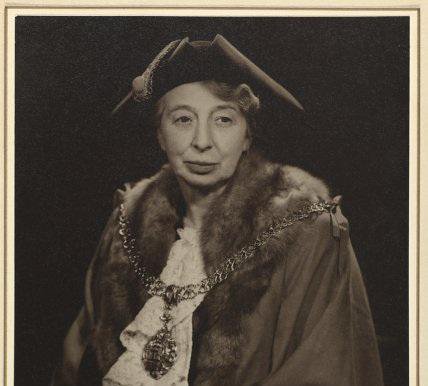
Agnes Twiston Hughes was the first female solicitor to qualify in Wales.
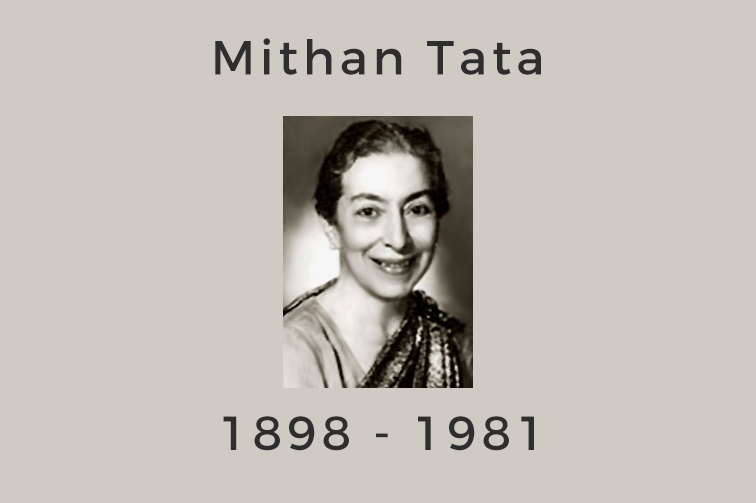
In 1923 Mithan Tata became the first woman called to the Bar by Lincoln’s Inn and the first practising Indian woman barrister.
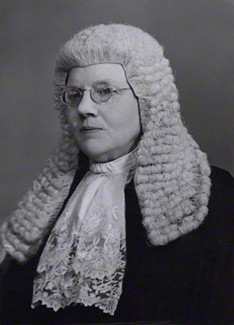
She preserved her maiden name for professional reasons, believing that men and women should keep their money and property separate.
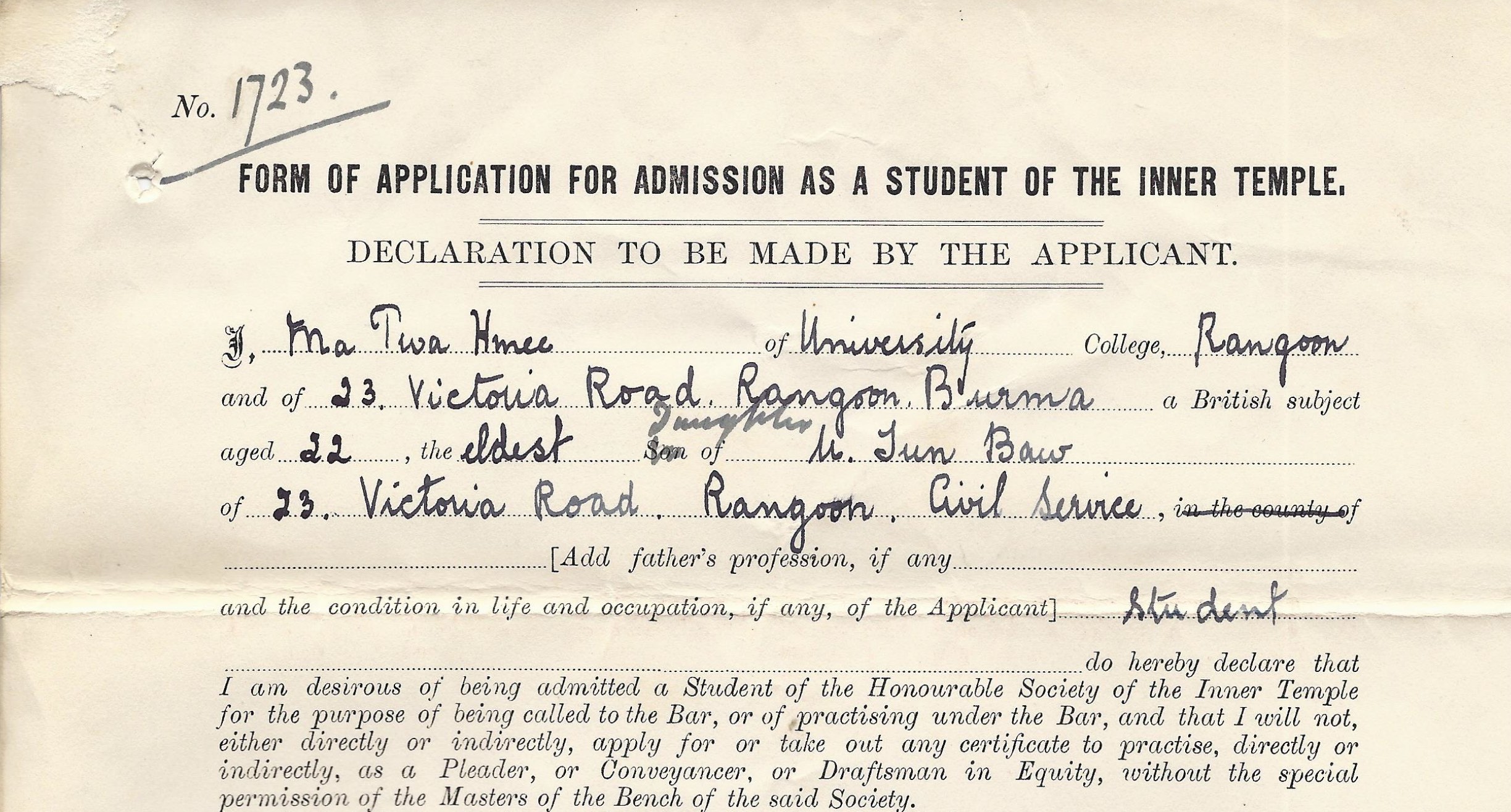
Daw Phar Hmee is remembered for being the first Burmese woman to become a barrister in 1925.
In 2010, Hill Dickinson was ranked as the sixth most female-friendly firm.
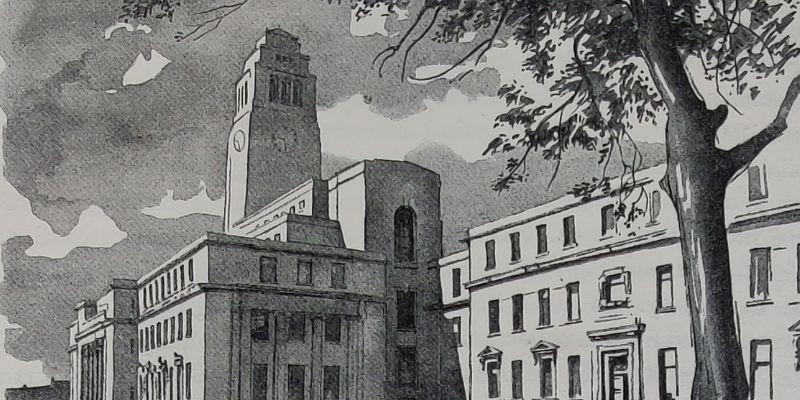
May Samuel graduates Leeds University, aged 19, becoming the first Jewish woman to graduate Leeds University.
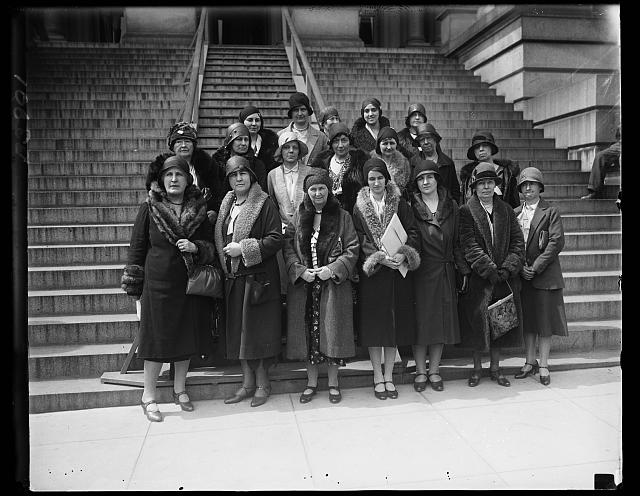
The Bar Council announces barristers can practice under their maiden name so that "they are not deprived of the professional reputation acquired as spinsters".
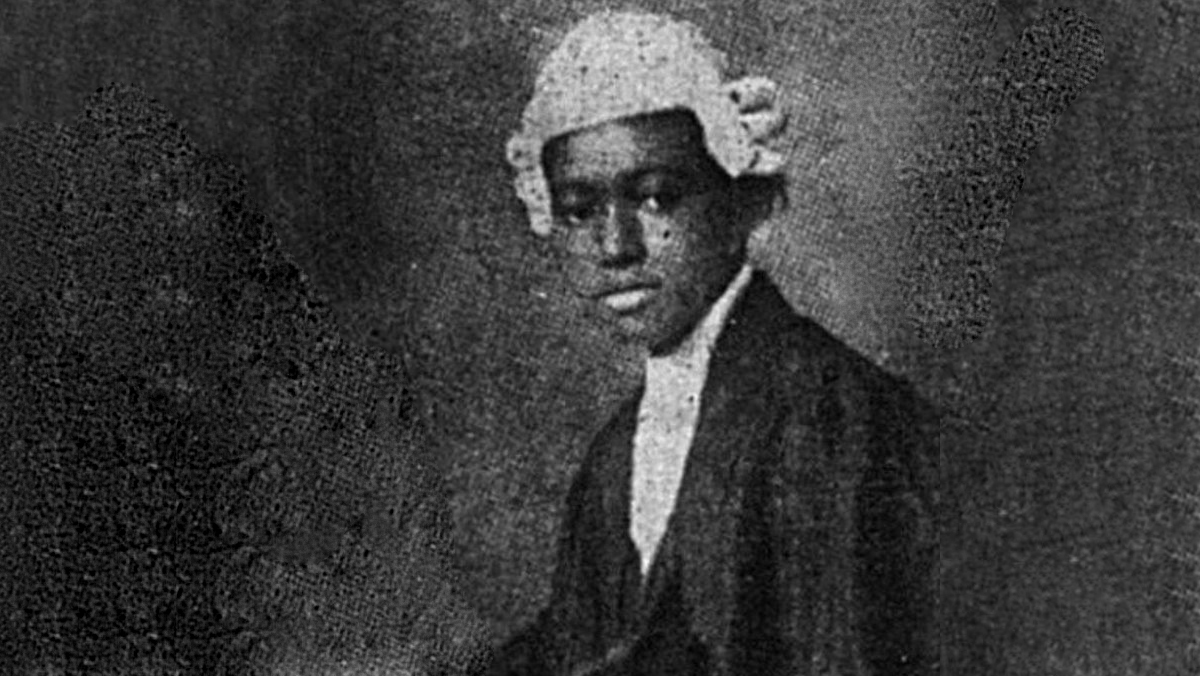
Stella Thomas became the first West African woman to be called to the Bar by Middle Temple on 19th May 1933. Stella graduated from Oxford University with a law degree and also became the first female Magistrate in Nigeria
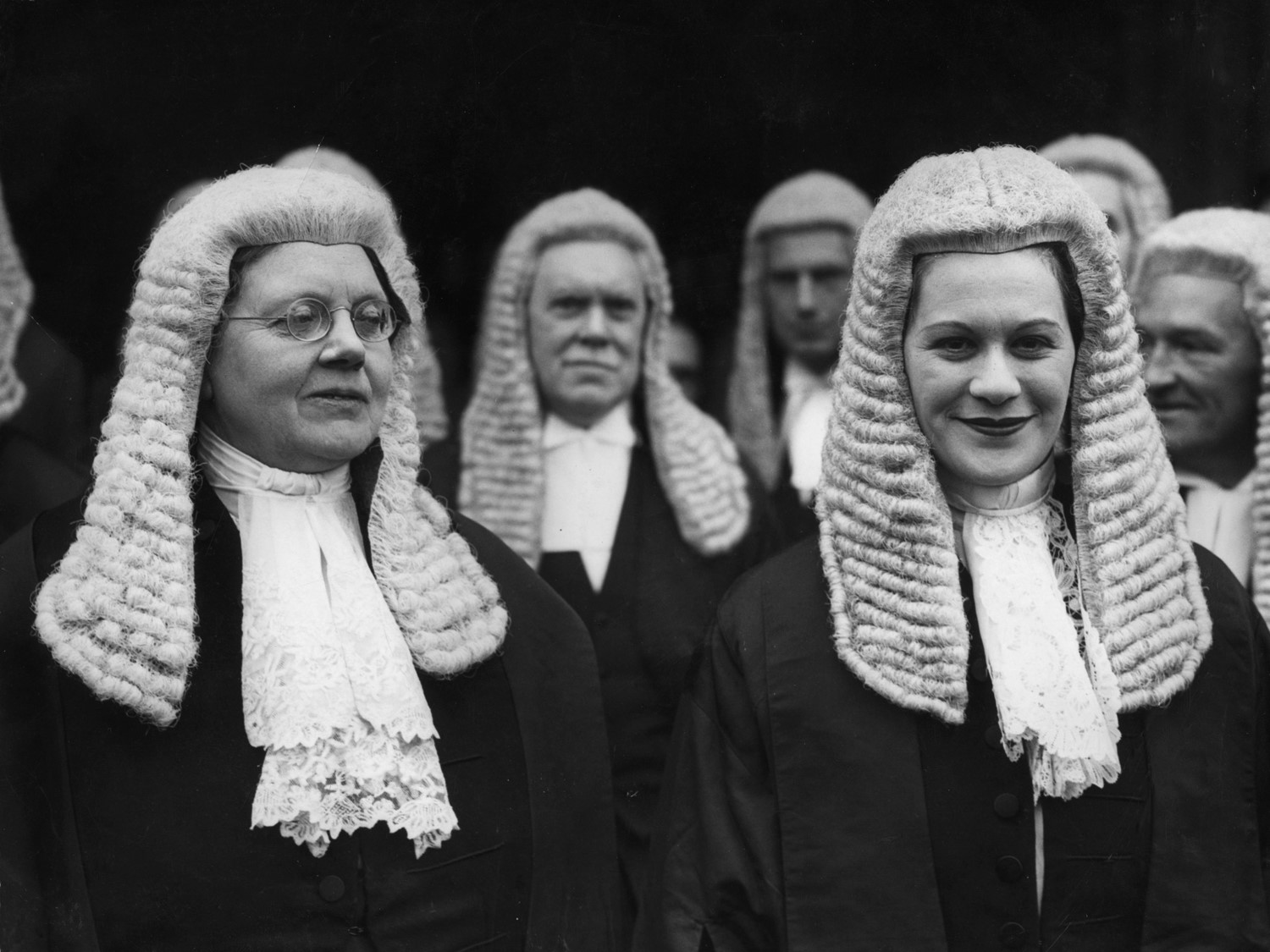
Rose Heilbron, a woman of many firsts, becomes the first woman to be awarded a scholarship at Gray's Inn.
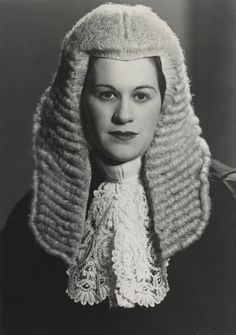
Rose Heilbron, who went on to be one of the first two women to be made King's Counsel, the first female recorder and the first female judge of the Old Bailey, was called to the Bar in 1939, beginning the start of what would be an incredible and pioneering career.
The Regius Professorship of Laws was founded in 1668 and is one of the oldest chairs at Trinity College Dublin.
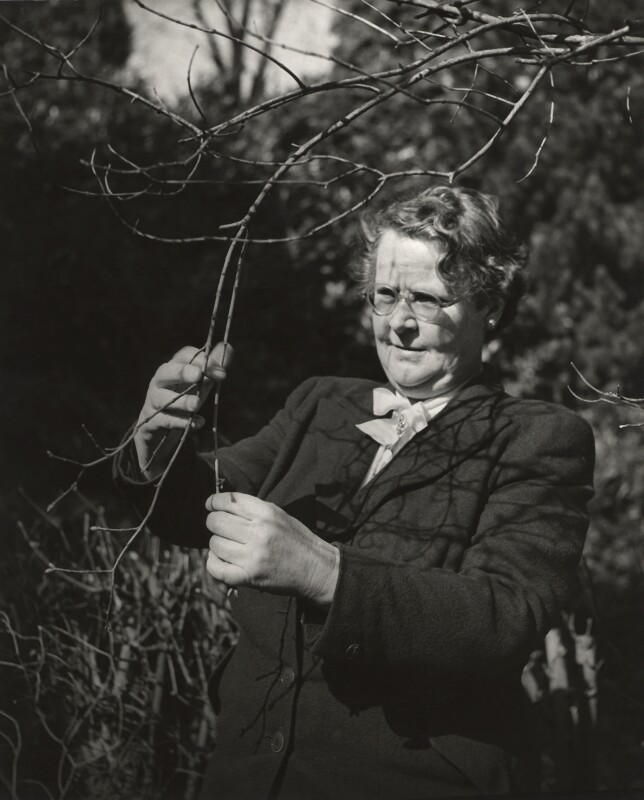
Sybil Campbell was the first woman to be appointed to the professional judiciary full-time in Britain, when she became a stipendiary magistrate at Tower Bridge Magistrates' Court in 1945.
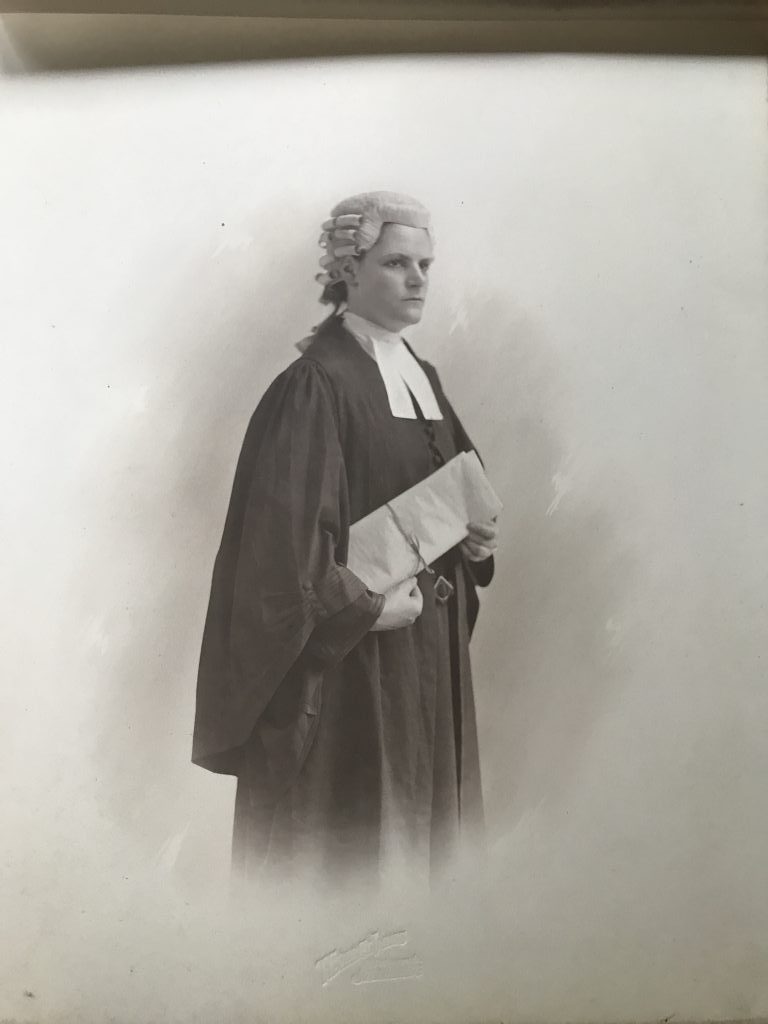
Edith presides as a Deputy at Macclesfield in 1946.
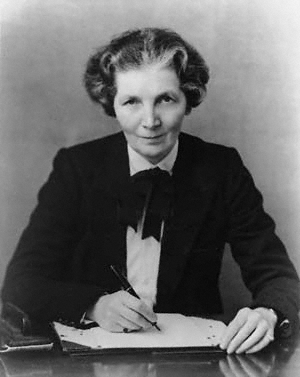
Margaret Kidd is appointed King’s Counsel in Scotland, the first woman in the United Kingdom to be appointed. At the time, she was still the only female advocate in Scotland.
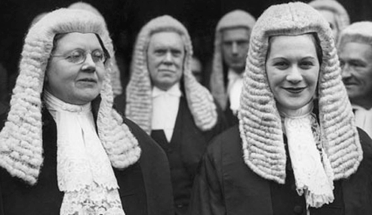
Rose Heilbron was just 34 when she made silk.
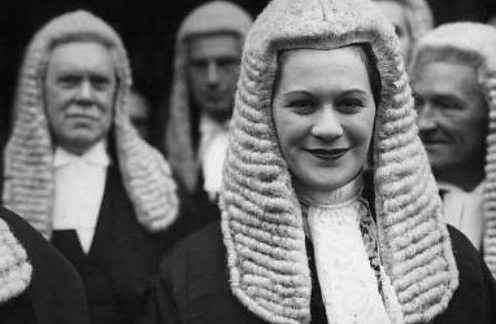
As the first woman to lead in a murder case in 1950, Rose defended George Kelly in the infamous “Cameo cinema murder”, a case which captured the attention of the nation and led to the Daily Mirror naming Rose as ‘Woman of the Year’.
1956 marks a historic milestone: the first appointment of a female judge, Heilbron, as Recorder of Burnley.
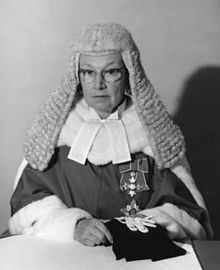
She was called to the bar in 1940 at Inner Temple, and became the third female King’s Counsel in 1950. She appeared in the official calendar as 'Mr. Commissioner, Elizabeth Kathleen Lane QC.'
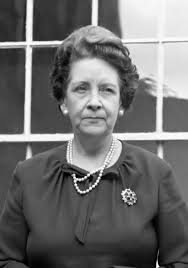
There were said to be court rooms full of people who had come to witness the novelty of a female judge.
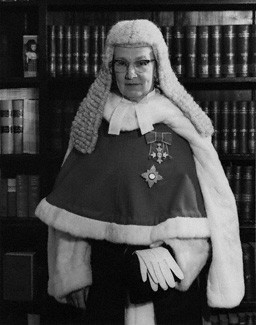
She was assigned to Probate, Divorce, and Admiralty Division.
She became a professor of law at Queen's University Belfast.
A year later she became leader of the northern Circuit and then became the second woman High Court Judge in 1974.
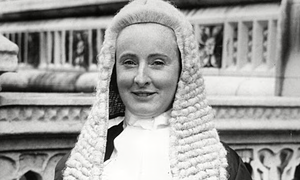
She set up chambers at 4 Brick Court in 1974 with the intention of taking on legal aid work, representing those who would otherwise be unable to afford to seek justice in the courts.
This made it illegal for a company to employ or promote a male worker with fewer qualifications or less experience than a female worker.
Police were given more powers to arrest, and increased court protection of battered wives.
She was a Senior Counsel in the Bar of Ireland.
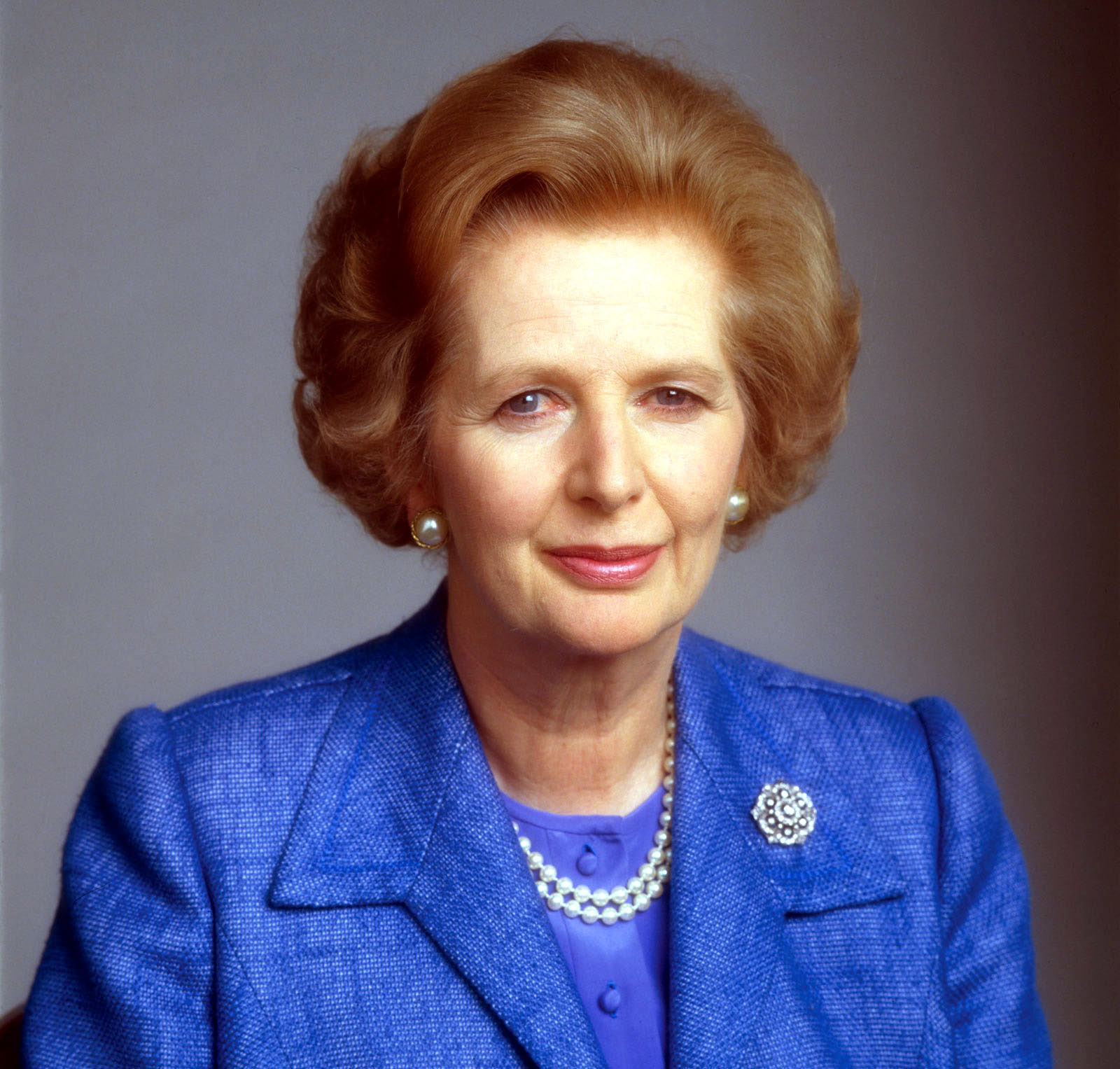
Thatcher read for the Bar before being elected as the Conservative MP for Finchley in 1959.
During her career on the High Court she made several important rulings on controversial cases involving abortion, unmarried mothers, and bin charging. She never married.
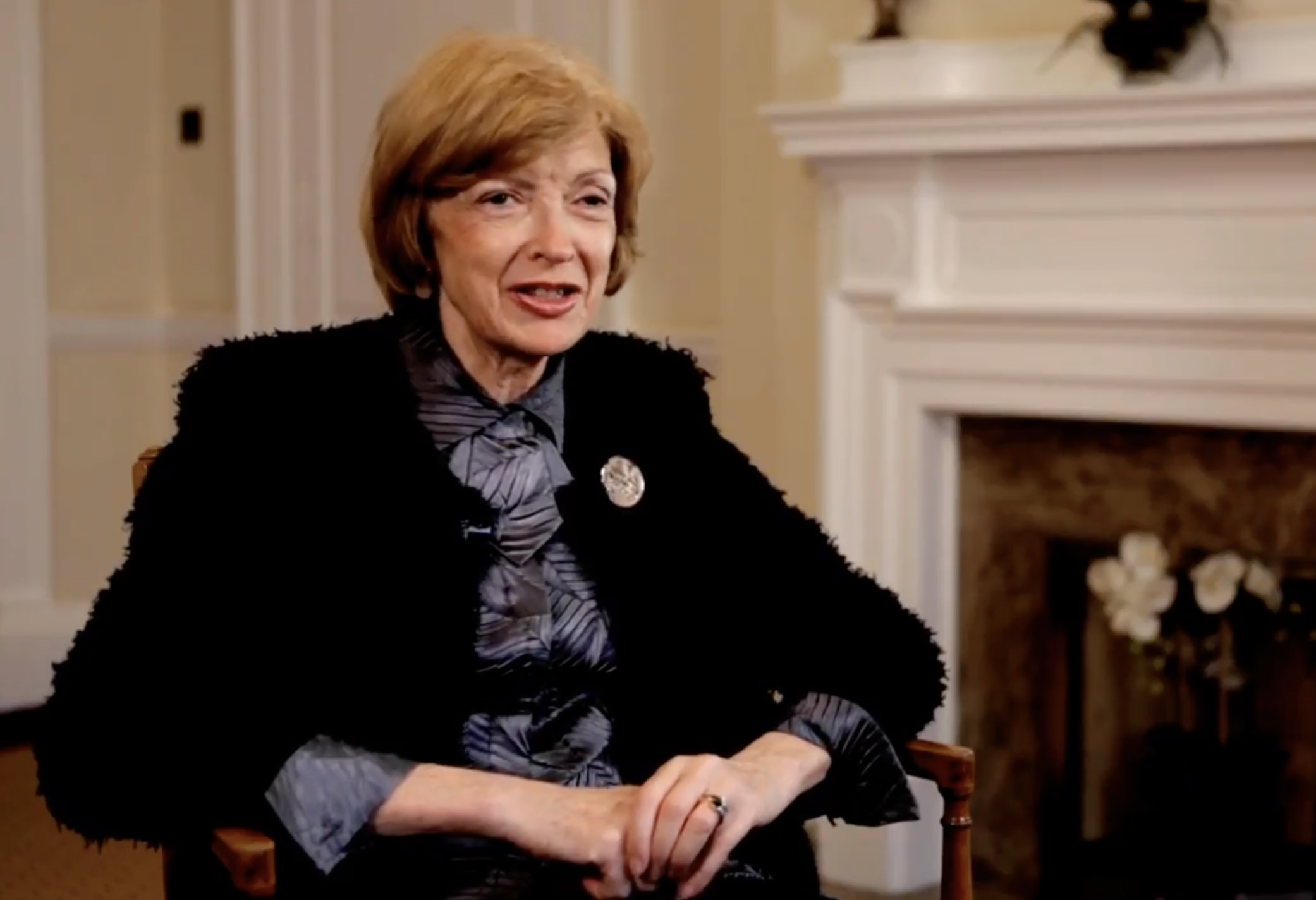
Dame Catherine Fiona Woolf DBE JP becomes the first female partner at city firm CMS Cameron McKenna.
She was a specialist legal advisor on major infrastructure developments and was involved with the 1985 treaty agreements between the French and British governments about the Channel Tunnel.
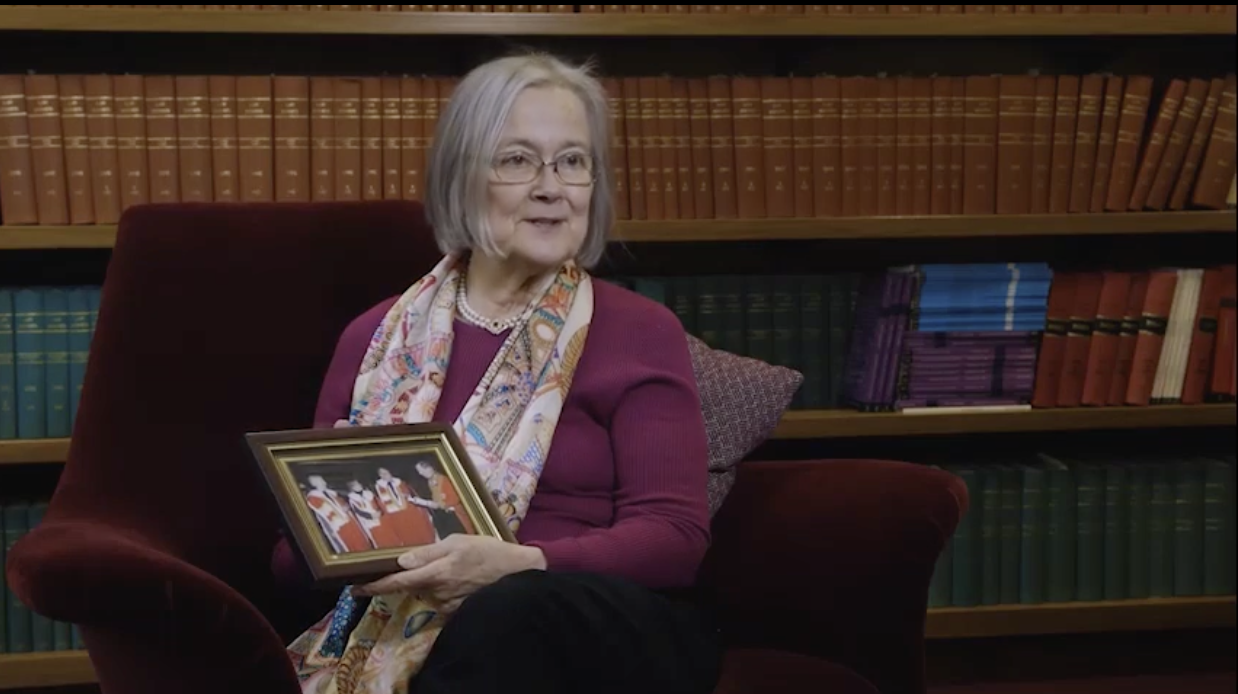
Important work from the Commission includes the Children’s Act 1989, the Family Law Act 1996, and the Mental Capacity Act 2005.
Dame Rose Heilbron achieved another historic milestone in 1985 when she was elected Treasurer of Gray's Inn, becoming the first woman to head any of England's four prestigious Inns of Court.
She had chaired Cleveland child abuse inquiry the year before. Until 2004 she was the highest-ranking female judge in the UK, having chaired inquests into the deaths of Diana, Princess of Wales, and Dodi Fayed.
Elizabeth practised law in-house as General Counsel in the UK and the USA for several years before establishing her global consultancy, Elizabeth Wall Partners International LLC.
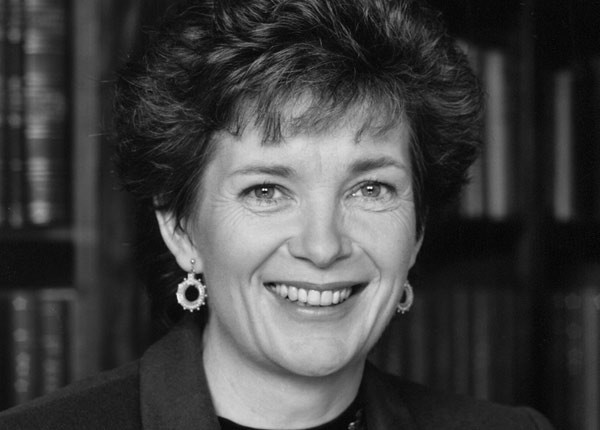
'The future began at the moment Mary Robinson was elected' is a summary of her presidency shared by many.
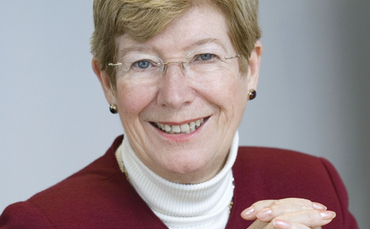
She held this post for six years, overseeing a staff of 6,000.
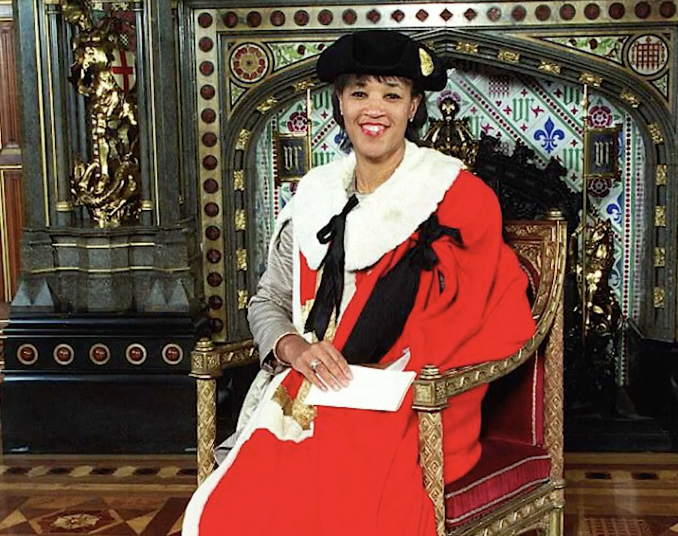
She was 35 years old, making her the youngest person in over 200 years to take silk.
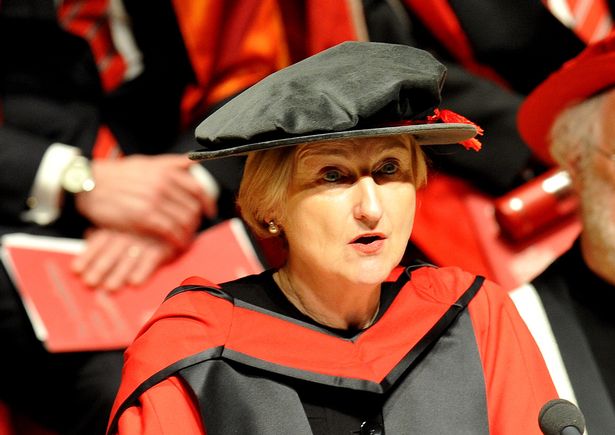
Specialising in medical negligence law, she represented Harold Shipman in one of the most high-profile criminal cases of the decade.
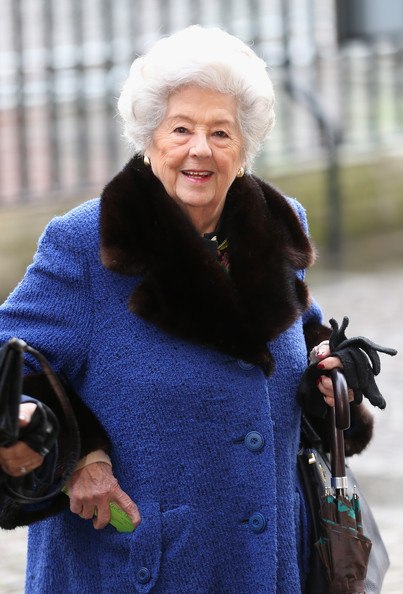
Baroness Boothroyd was a Labour MP for West Bromwick and West Bromwick West from 1973 to 1992.
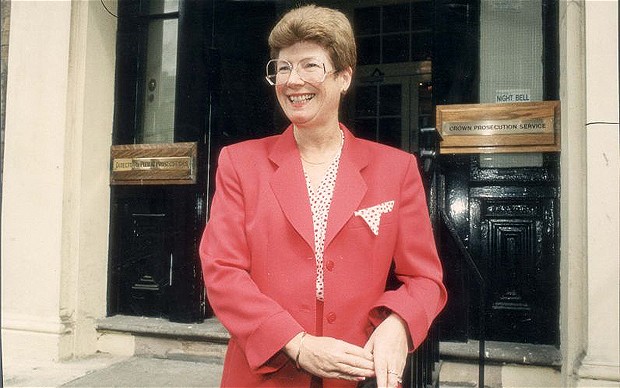
She also served as the second head of the Crown Prosecution Service, presiding over a staff of 6,000. She worked as Director until her resignation in 1998.
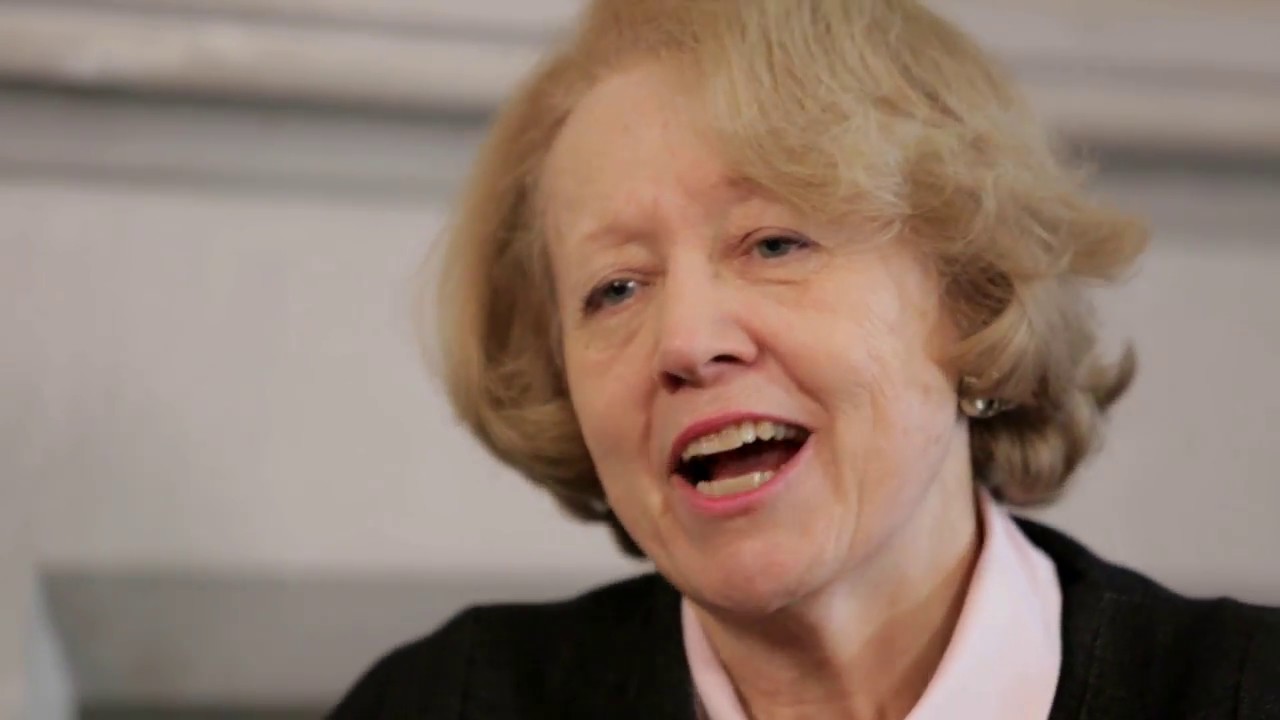
She previously chaired the Law Commission from 1996-99. In 2013, BBC Radio 4’s programme Woman’s Hour called her one of the 100 most powerful women in the United Kingdom.
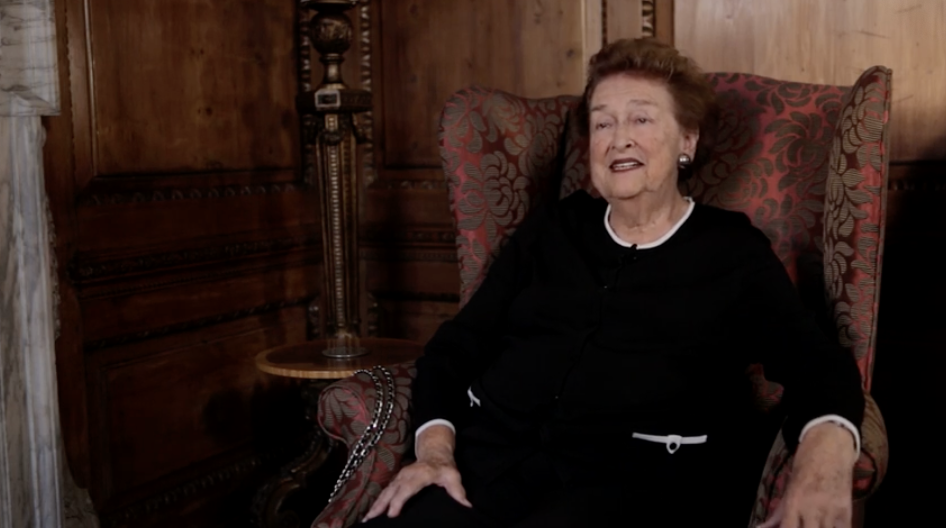
She studied at Girton College, Cambridge, and at Yale Law School.
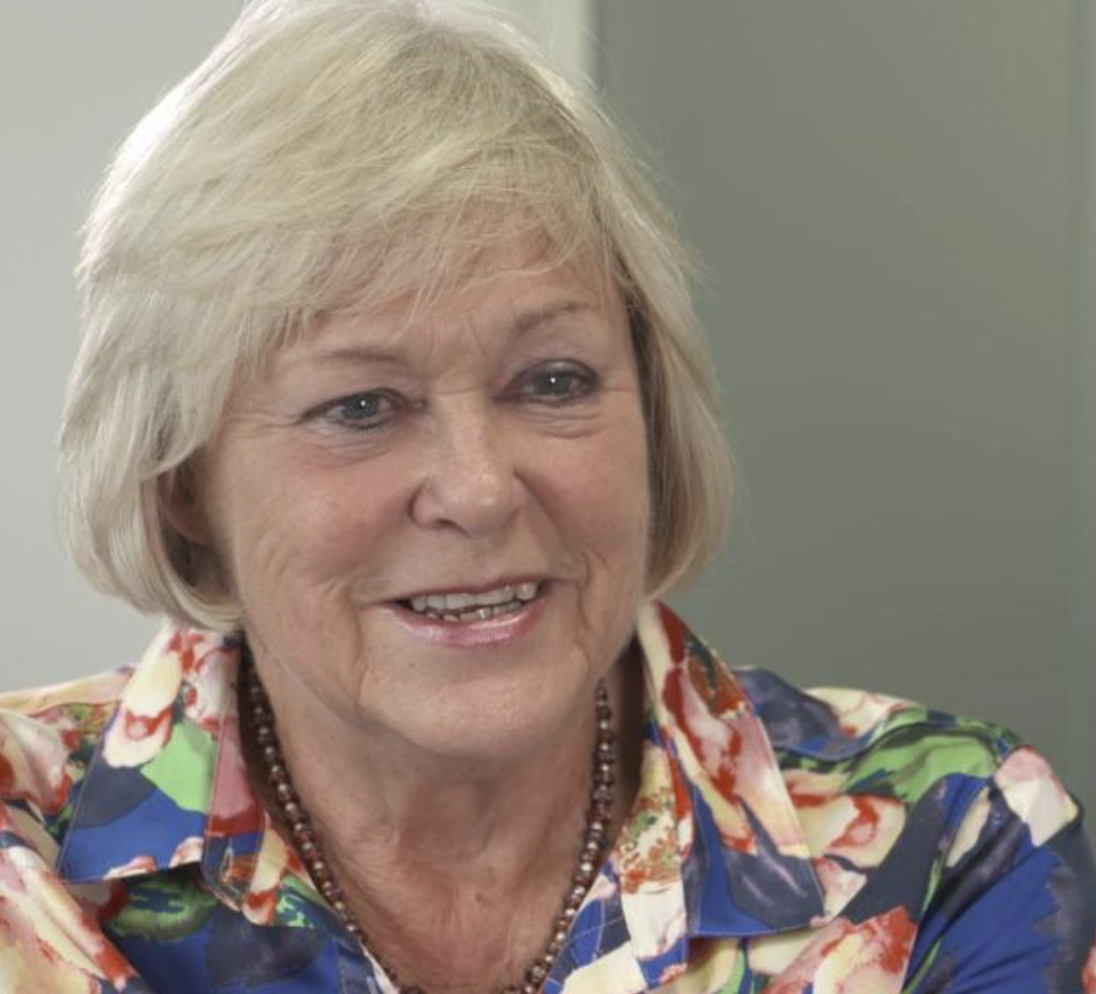
Eileen qualified as a solicitor in 1975 and co-founded the firm Fisher Meredith.
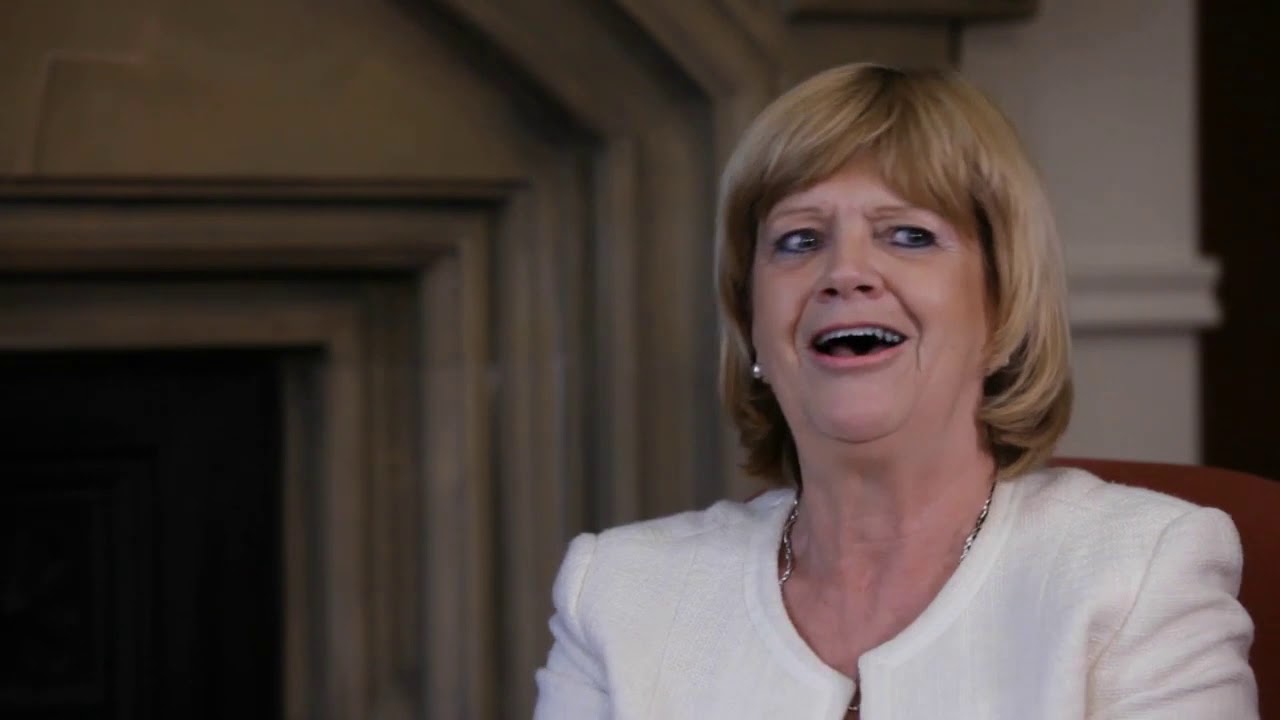
She had been vice-chair in 1997, and went on to become Treasurer of the Inner Temple in 2011.
In 2006 it was announced that she would become one of seven new life peers in the House of Lords. In the same year Baroness Brenda Hale of Richmond became the second female Justice of Appeal and the first woman Law Lord.
She co-founded the Family Mediators Association to extend the ambit of mediation to include finances as well as child related issues.
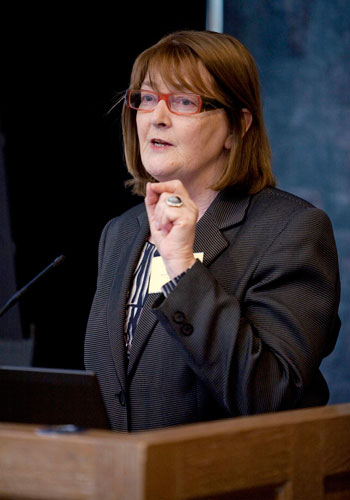
She was the first female appointee, and had her mandate renewed in 2003 after her initial five-year term. Mary McAleese appointed her.
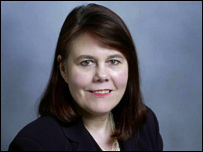
Lynda Margaret Clark, Baroness Clark of Calton, PC, QC (born 26th February 1949) was formerly the Labour MP for Edinburgh Pentlands
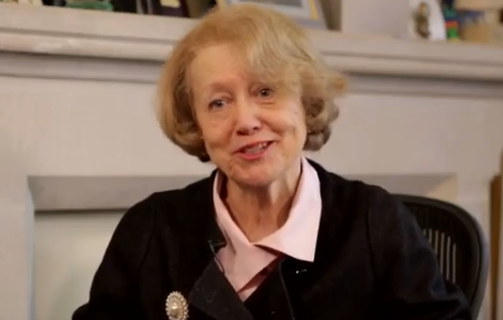
She has questioned the reasons for the recent lack of women appointed to the Court of Appeal.
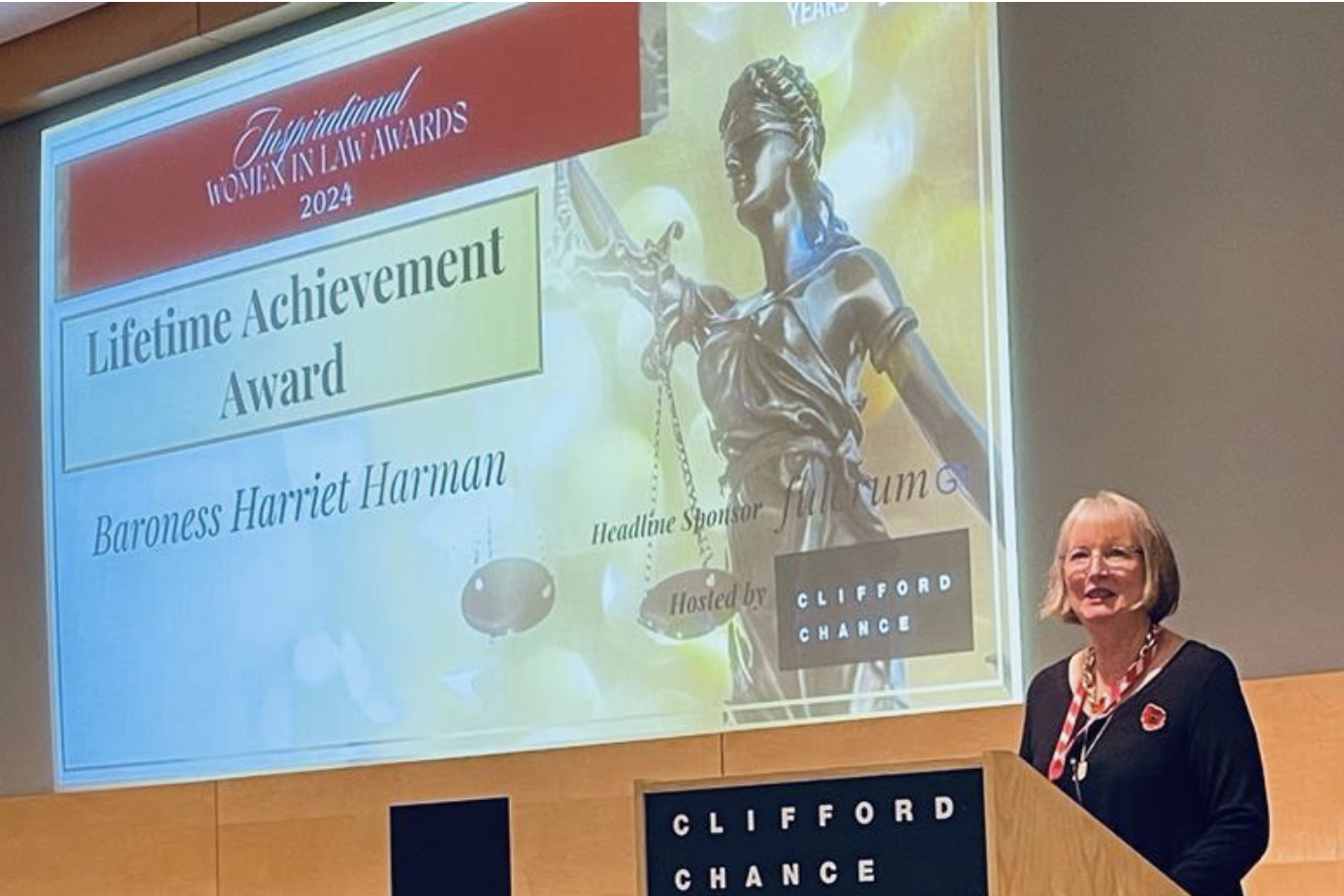
She had been Legal Officer to Liberty in the past, taking the first cases for women under the then new Equal Pay and Sex Discrimination Acts.
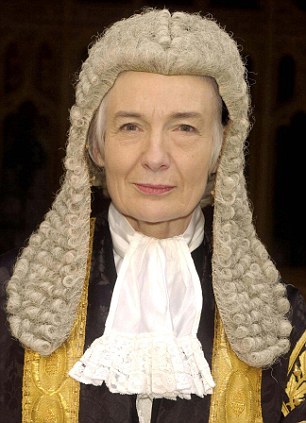
She was also President of the Council of the Inns of Court and prepared the high profile Shipman Inquiry, a report on the activities of a serial killer. She also held a public inquiry in 1991 into reported abuse of autistic children in Lancaster.
Since 1999, she had also been President of the Mental Health Review Tribunal for Wales.
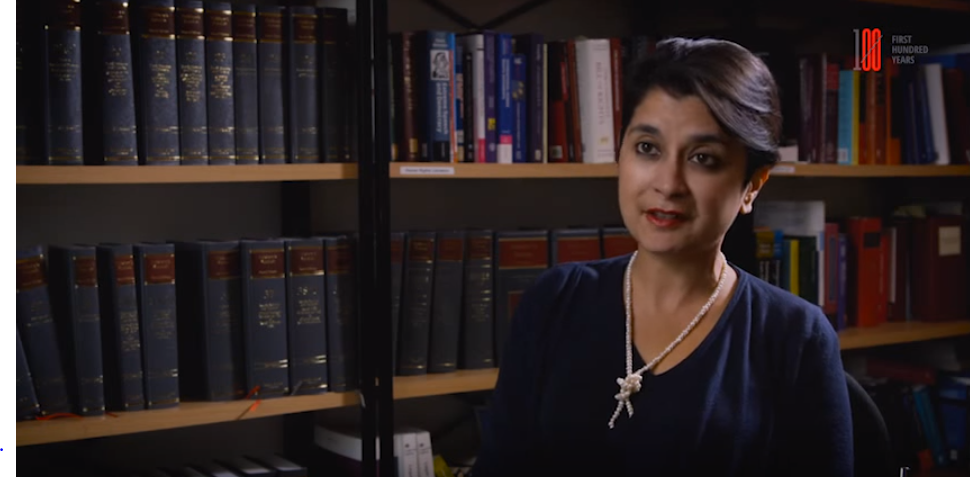
Liberty is a pressure group that campaigns against excessive anti-terroristic measures after the 11th September attacks on the United States. She had worked as a barrister for the Home Office since 1996, having been called to the bar in 1994, after which she joined Middle Temple. In 2014 she was named in the Sunday Times’ ‘100 Makers of the ...
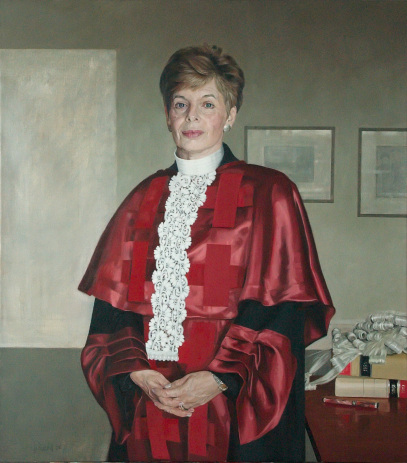
The Court of Session is the civil equivalent of the Court of Criminal Appeal. She was determined to study law whilst at school in Glasgow, but was told even in 1966 that her intention to join the Faculty of Advocates was a mistake because the bar was not a place for a woman. She was also a member of the parole board for Scotland, chairwoman of ...
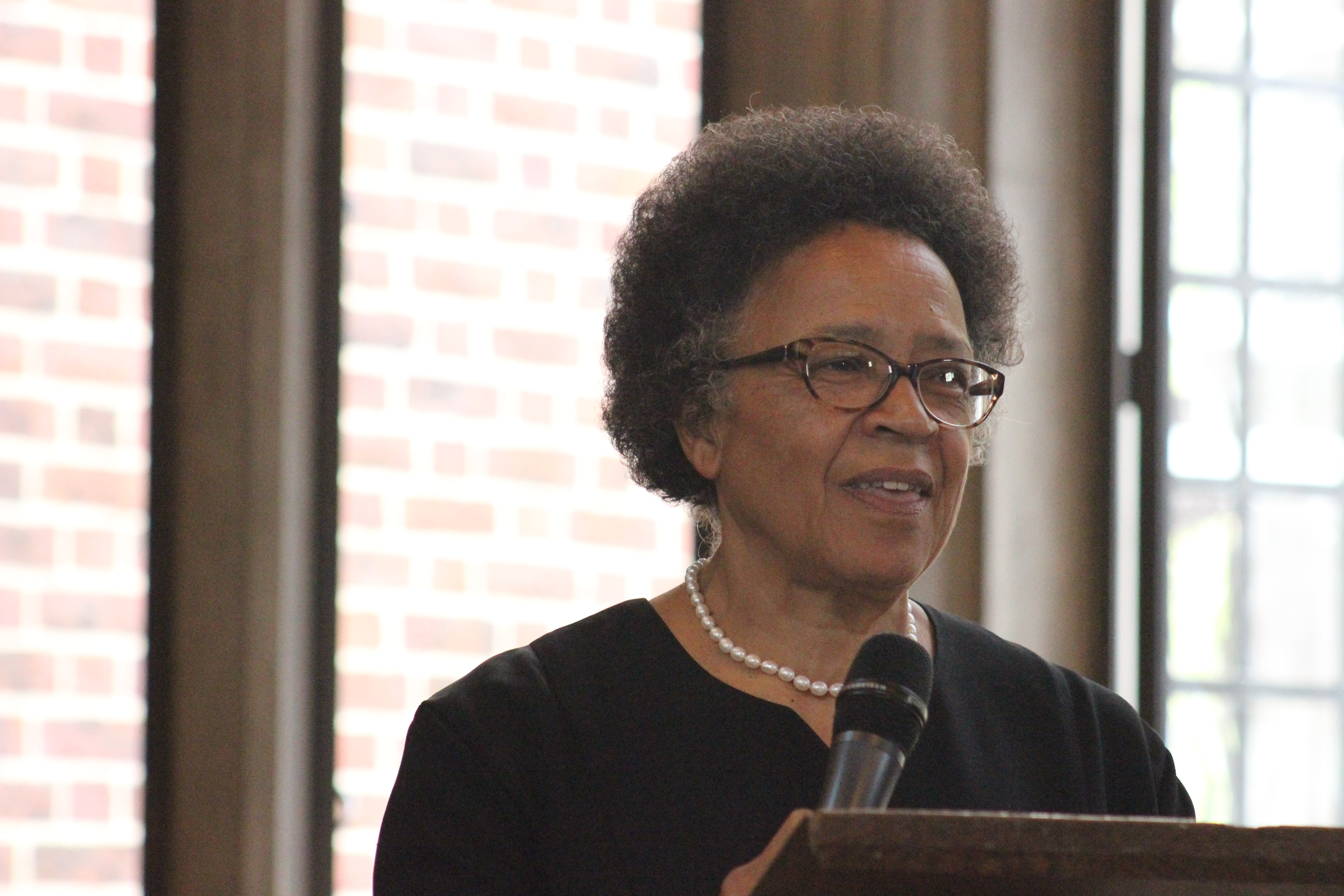
She was included in the list of Britain’s 10 most powerful women and is a patron of the African Prisons Project.
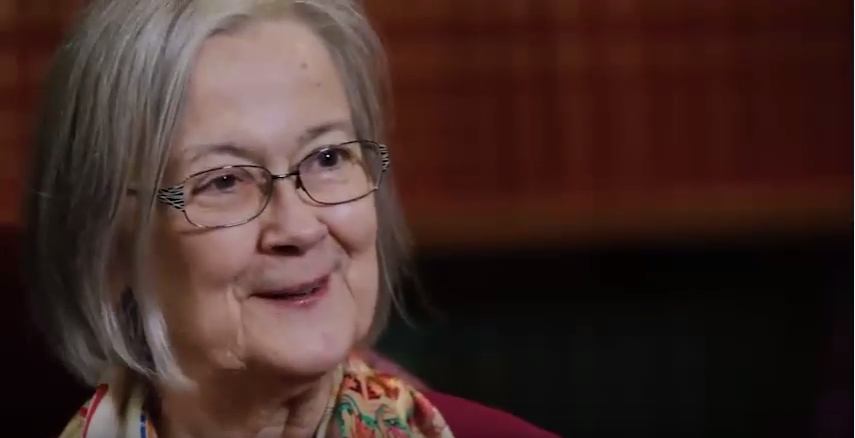
She was also a Professor of Law at Manchester University and received an Honorary doctorate from Glasgow University.
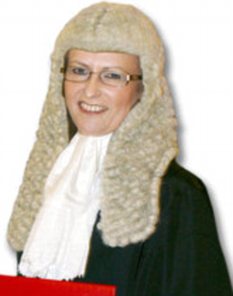
She founded Venters solicitors in 1991, a highly reputable firm, and she also sat as a Recorder in the Crown Court and County Court.
In 2006, Dame Elish Angiolini DBE PC QC FRSA FRSE was appointed Lord Advocate in Scotland, the first woman and the first solicitor to hold the position.
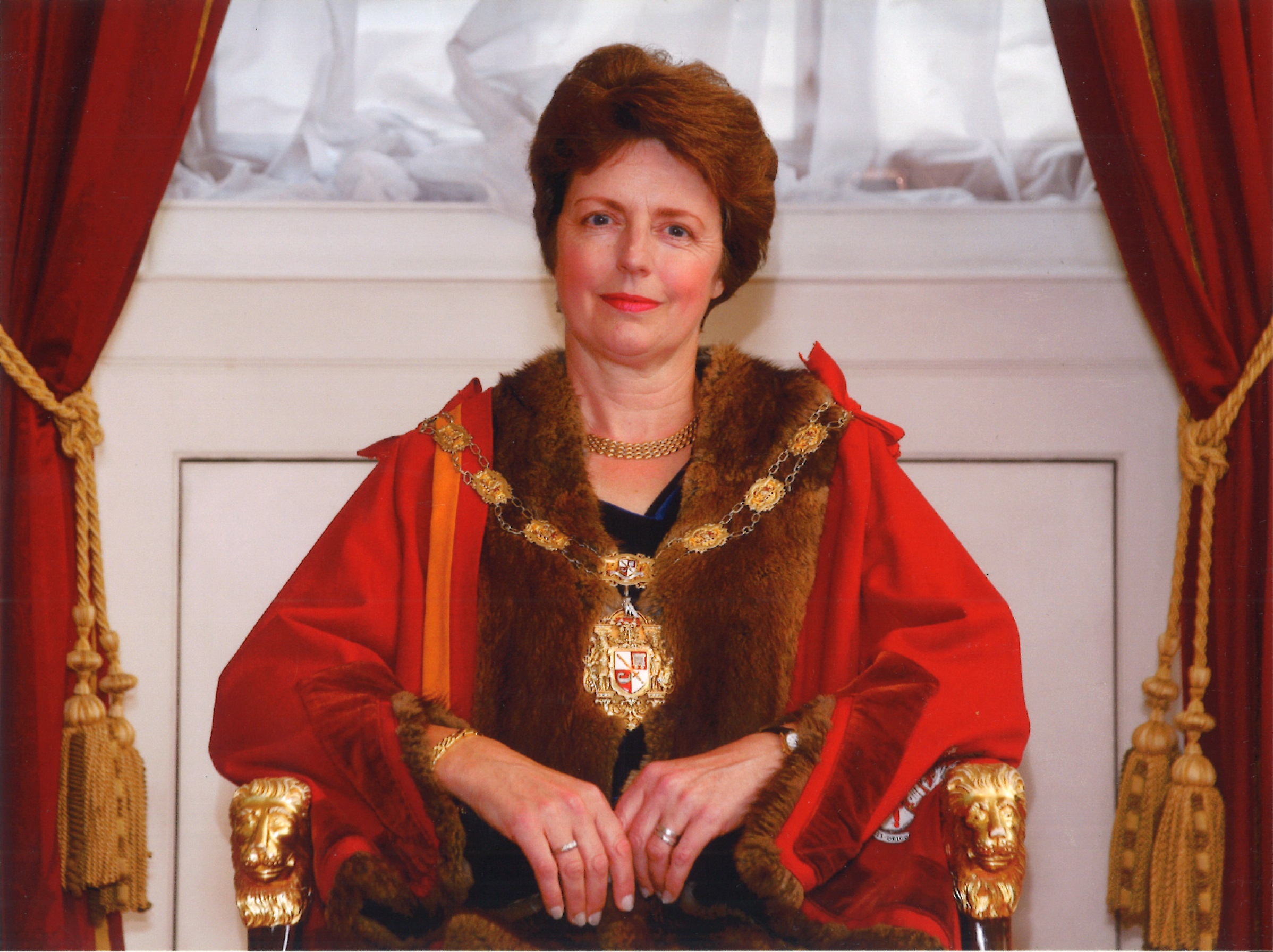
Karen Richardson was the first female Master of the Worshipful Company of Solicitors of the City of London, in its 100th year, and the first female President of the City of London Law Society.
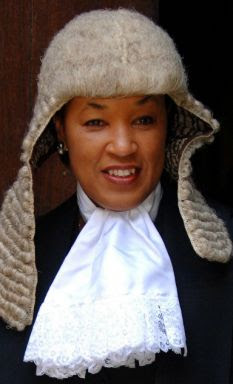
The office had existed since 1315, and in this role Baroness Scotland served as chief legal advisor to the Queen, Parliament, and the Government, as well as other bodies. .
This was a significant step forwards for the future collaboration of solicitors and barristers.
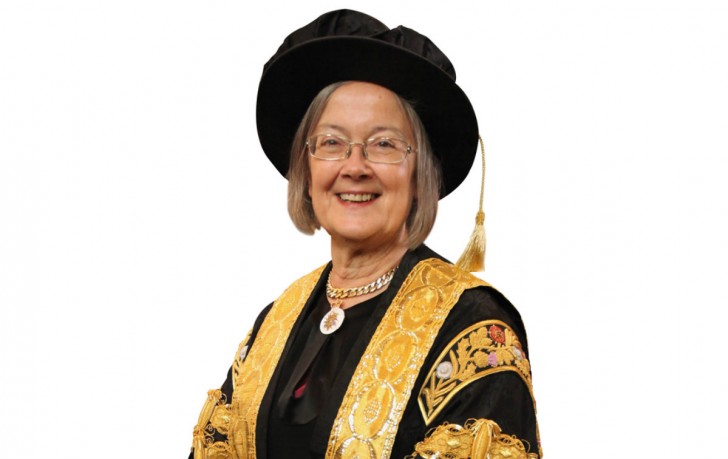
She has had a varied career as an academic lawyer, law reformer, and judge.
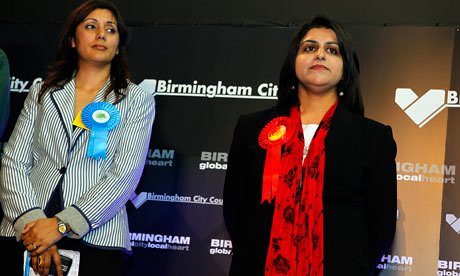
Labour candidates Shabana Mahmood and Yasmin Qureshi were elected in the general election of 2010. Shabana Mahmood won the constituency for Birmingham Ladywood and Yasmin Qureshi was the candidate for Bolton South East. A record of 22 Asian women stood in that election for all three main parties. Shabana is a former Oxford graduate and barrister...
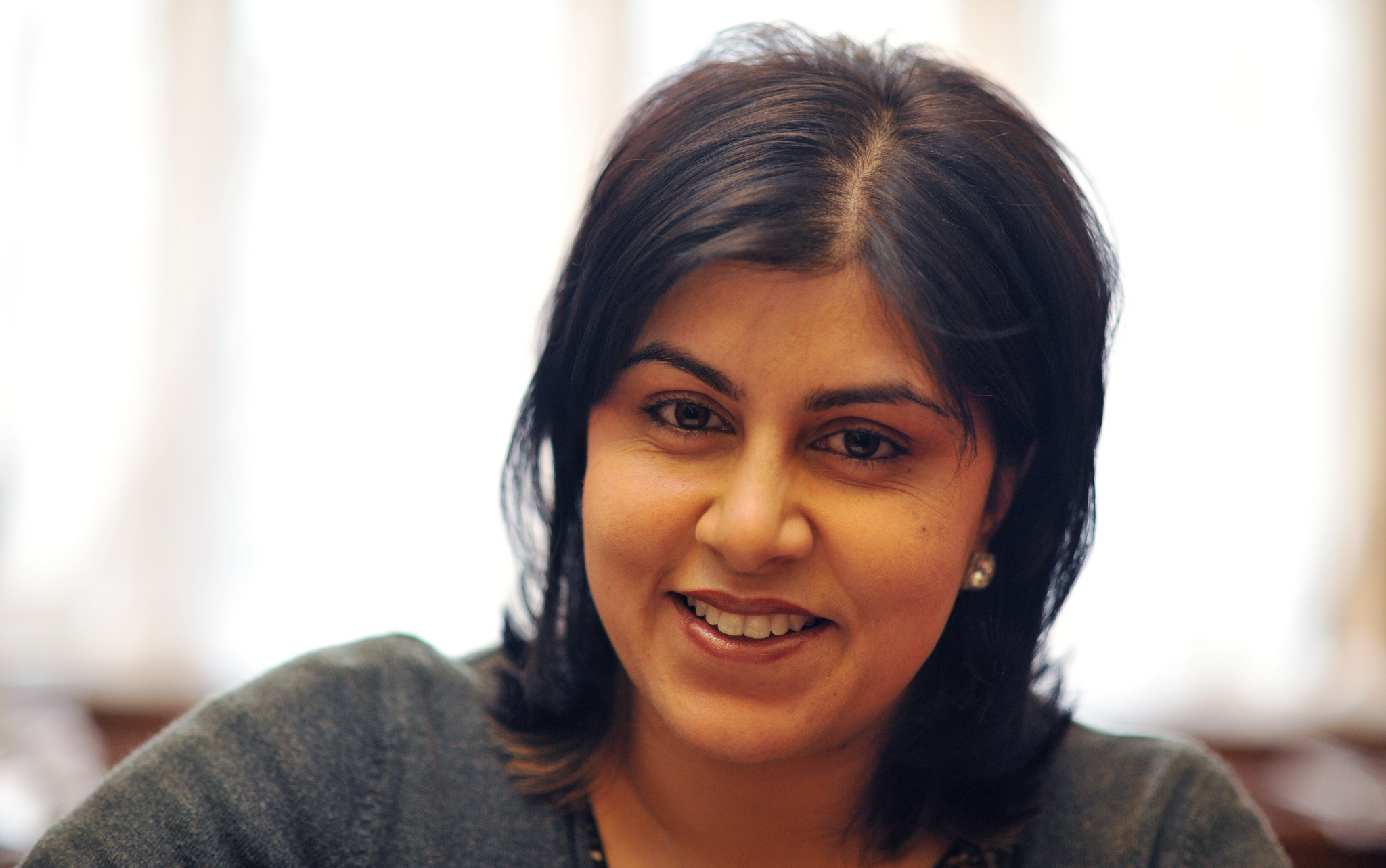
Baroness Warsi studied Law at Leeds University and went on to work for the Crown Prosecution Service.
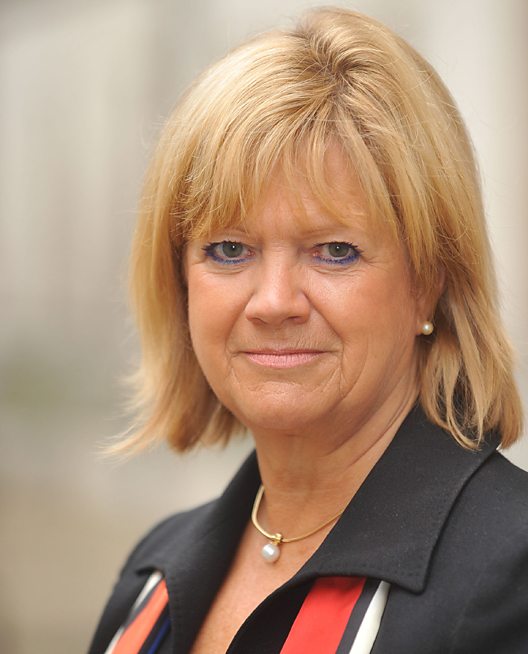
She had previously been the Vice-President of the Criminal Division of the Court of Appeal.
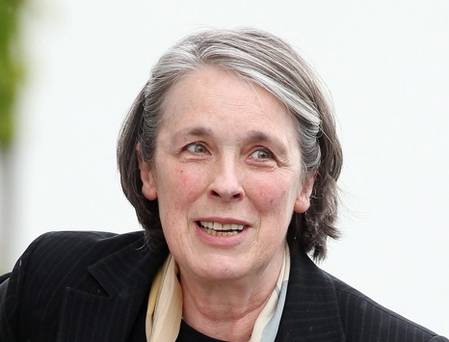
She is the first woman and first Protestant to hold the office of Chief Justice
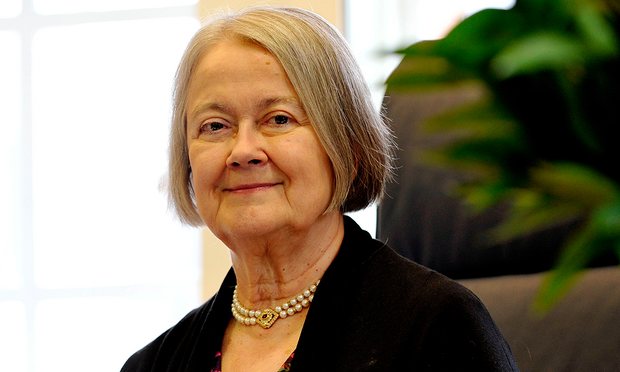
In June 2013, Lady Hale (Baroness Hale of Richmond) was appointed Deputy President of the UK Supreme Court, becoming the most senior woman in British judiciary history at the time.
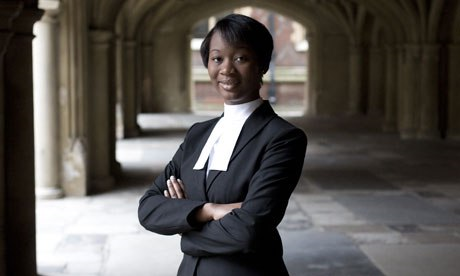
She was the youngest person in the UK to be called to the bar in 600 years. Originally from the Bahamas, she grew up in Florida, and came to London to become a barrister.
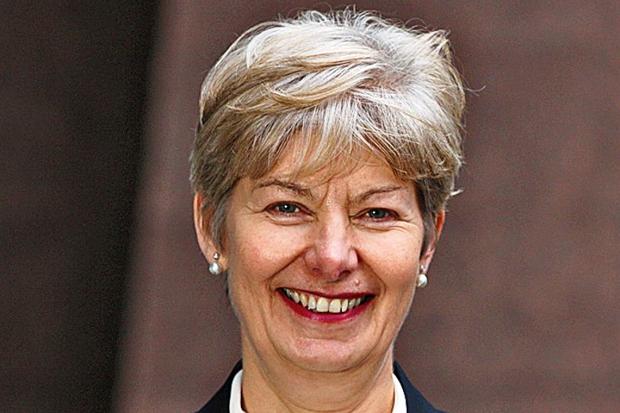
Before this, she had headed the firm’s global dispute resolution practise for 8 years and is recognised as a leading practitioner with significant expertise in cross-border disputes.
Record-breaking statistics show that 4,623 women compared to 4,609 men were practicing as solicitors in Ireland.
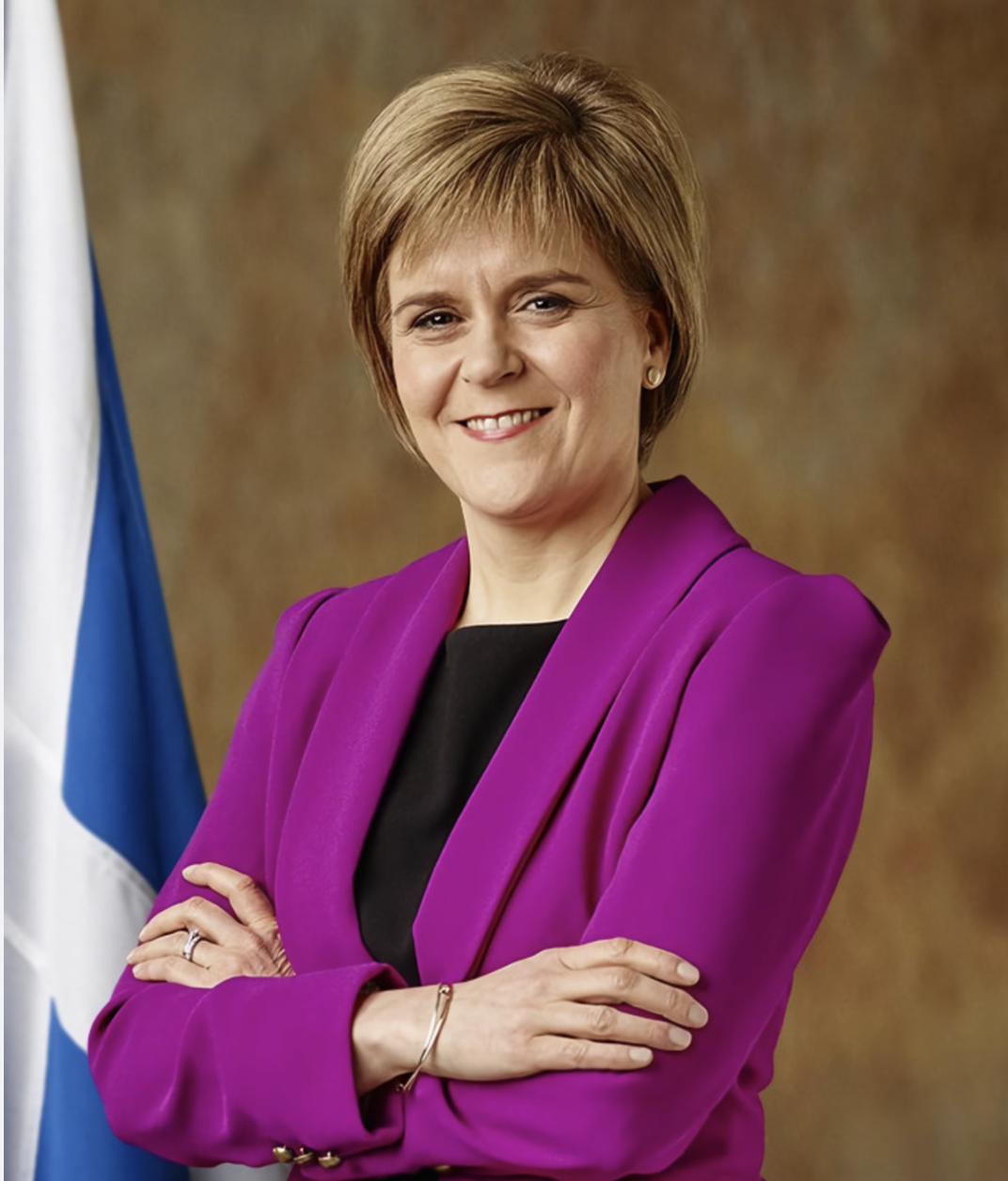
Nicola Sturgeon read law at the University of Glasgow and worked as a solicitor for Bell & Craig in Stirling, and then at the Drumchapel Law Centre, before being elected to the Scottish Parliament in 1999.
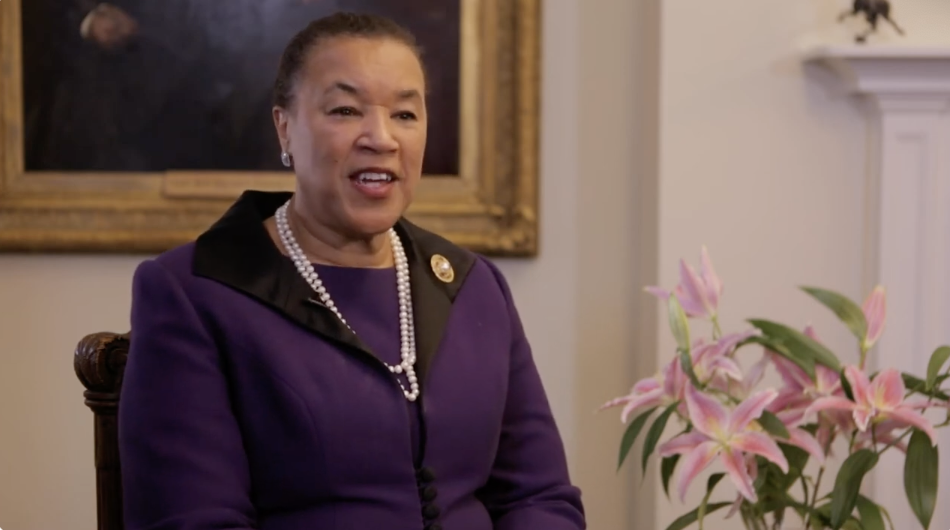
She is also a patron of CFAB, Children and Families Across Borders, a charity that reunites children separated from their parents.
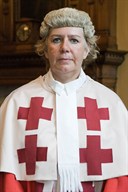
Leeona Dorrian, Lady Dorrian, graduated from Aberdeen University, and has served as a judge of the Supreme Court since 2005.
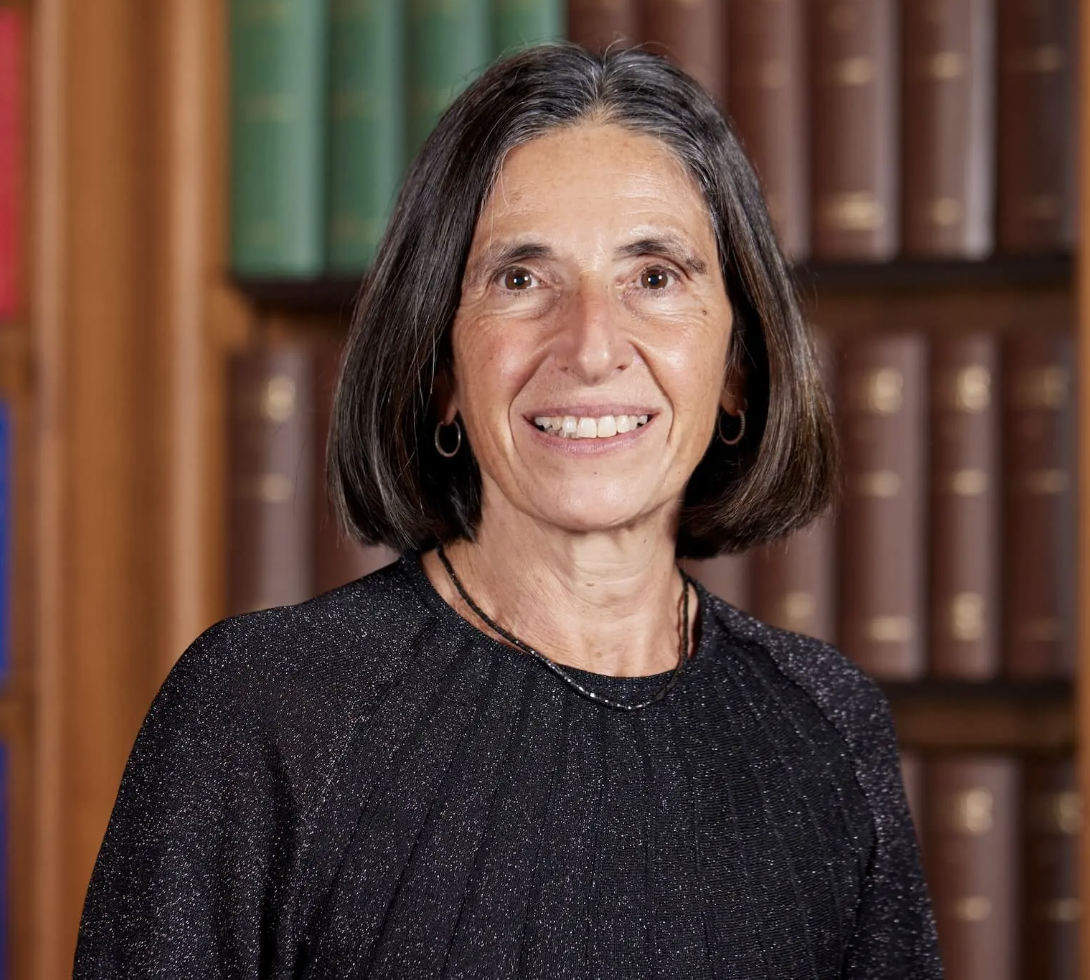
She was called to the Bar (Inner Temple) in 1987 and was appointed QC in 2006.
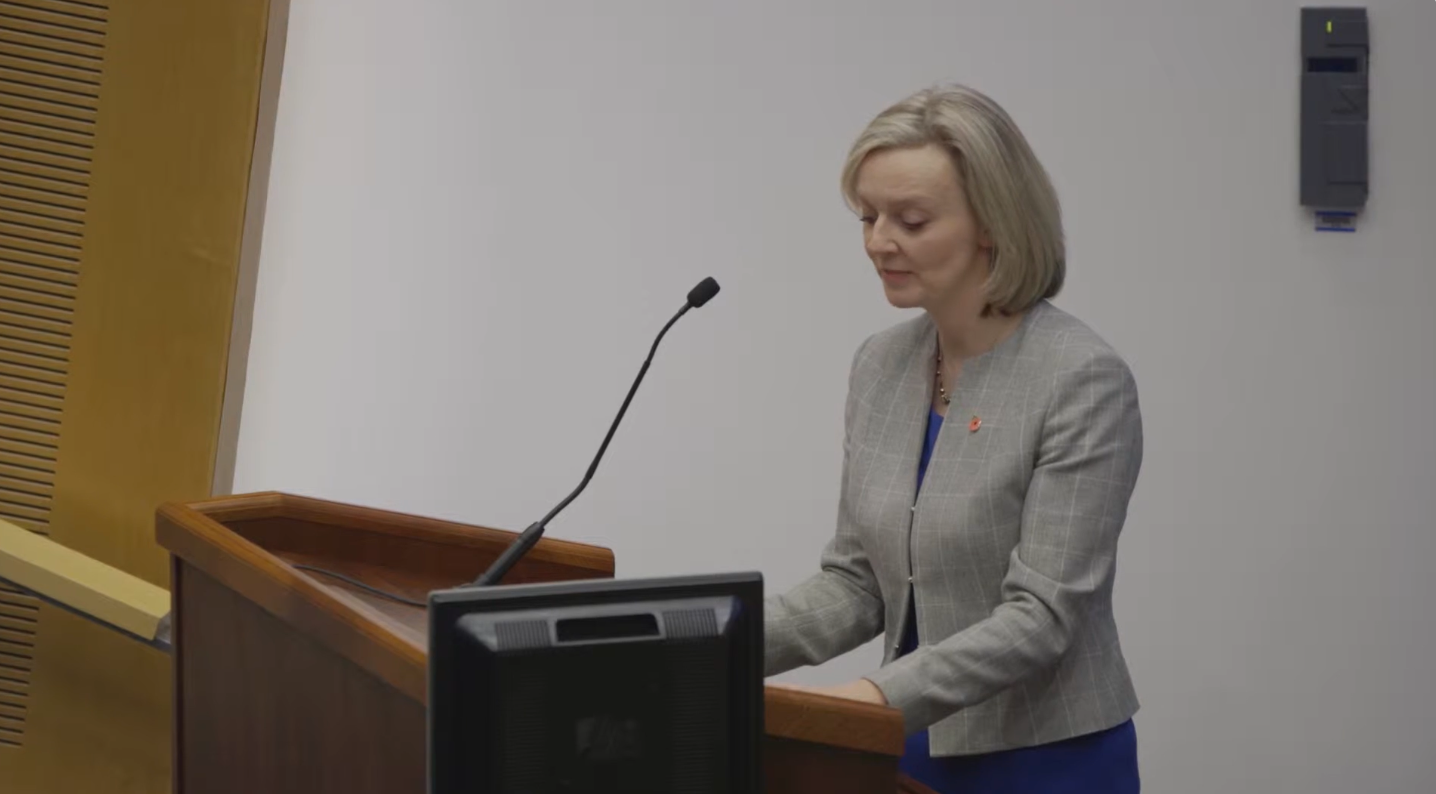
Elizabeth Truss was appointed the first female Lord Chancellor and Secretary of State for Justice by Theresa May, Prime Minister of the United Kingdom.
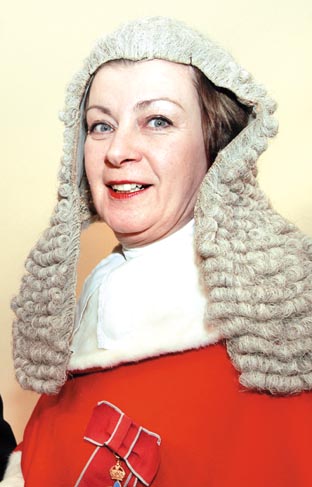
In April 2017 Dame Julia Macur became the first female Senior Presiding Judge of the Court of Appeal of England and Wales since the role was created in 1983.
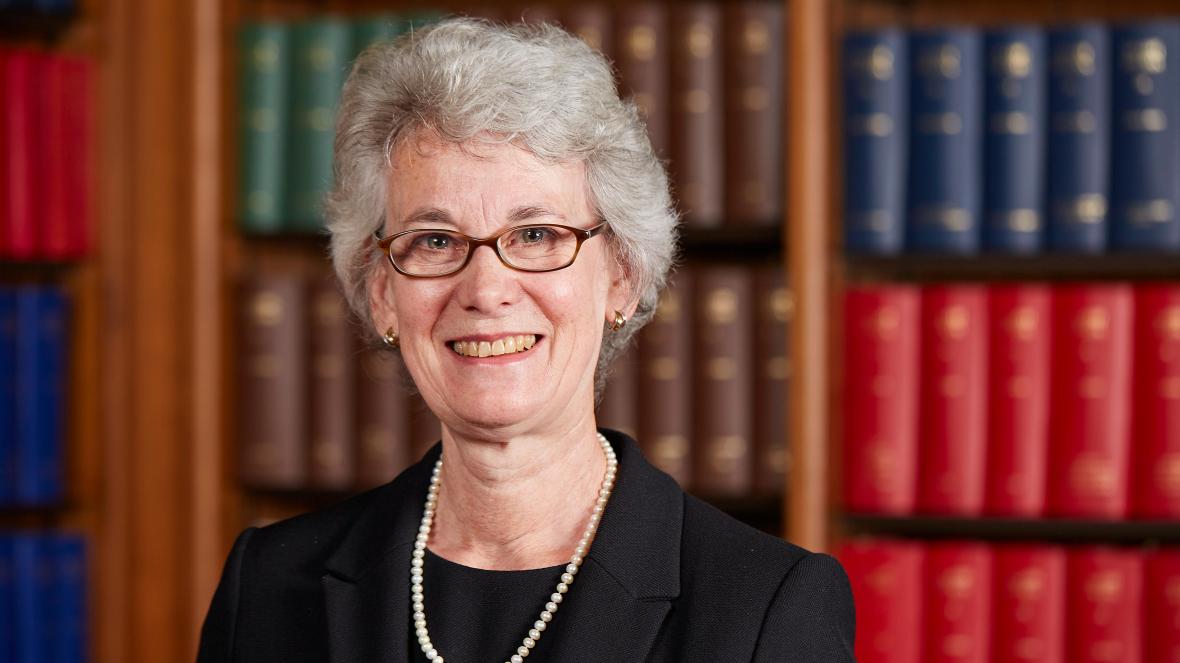
She becomes the second woman Justice of the Court. Lady Black was called to the Bar in 1976 by Inner Temple. She specialised in family law and became a Queen's Counsel in 1994.
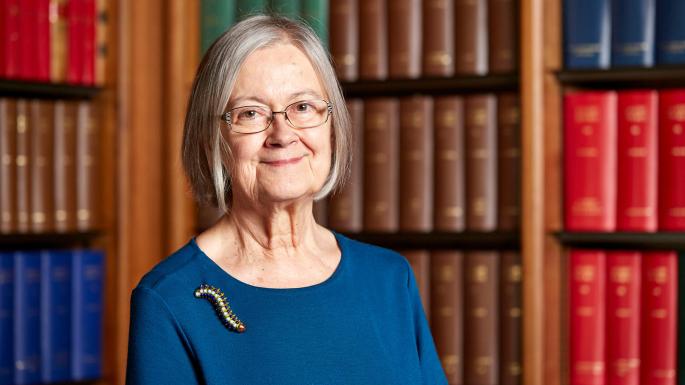
Her appointment as Supreme Court president makes her the first woman to reach that level in the judiciary.
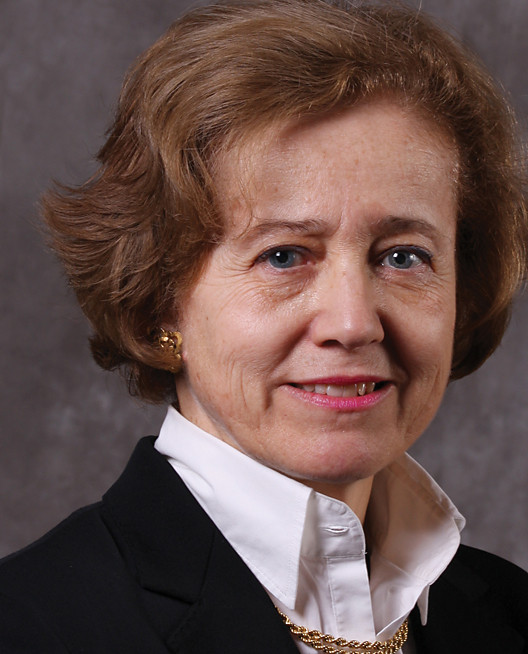
She becomes its third woman ever Justice.
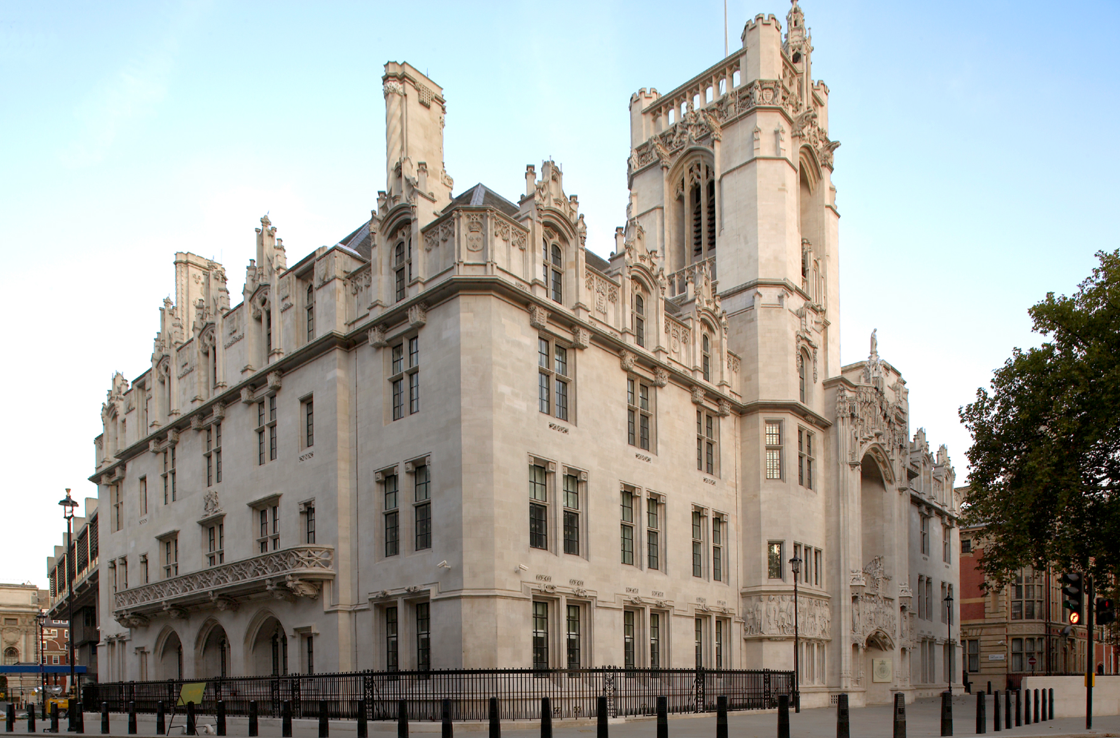
The UK's highest court sees its first ever majority-female panel of judges, with Lady Hale, Lady Black and Lady Arden sitting as three out of five judges to hear the case Re D.
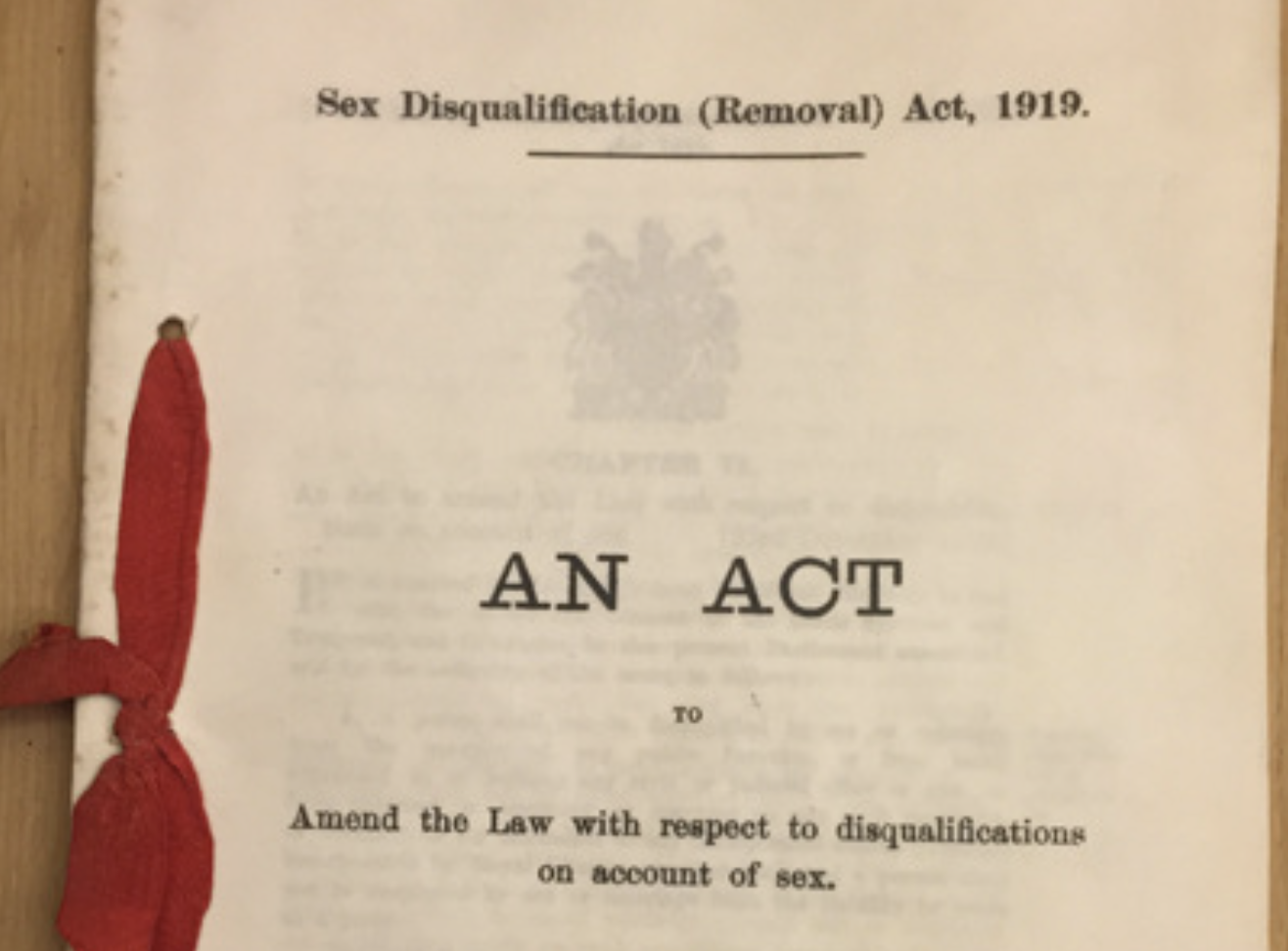
The Act removed the legal bar to women practising as lawyers and sitting as judges for the first time. First 100 Years leads the national celebrations.
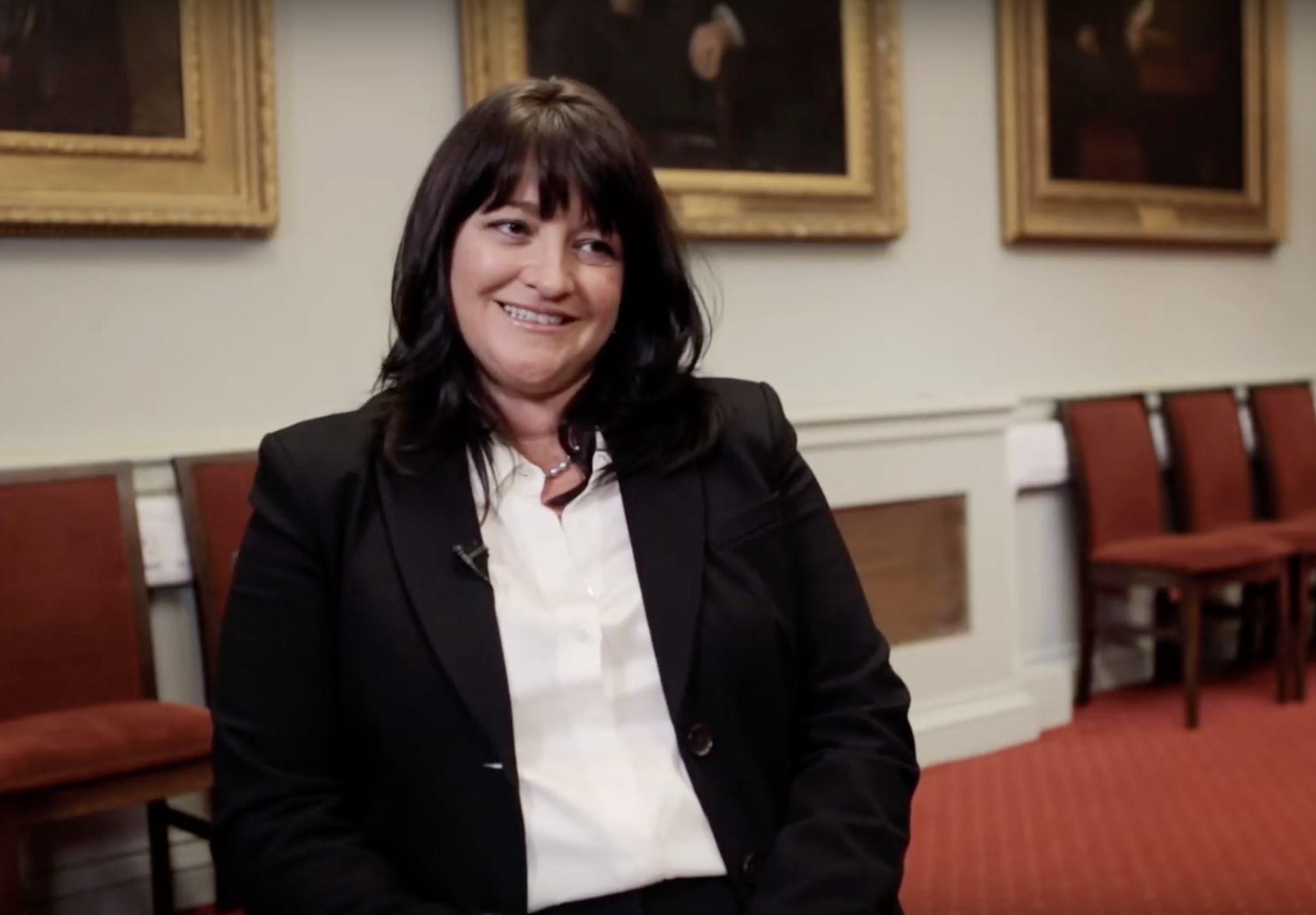
Elizabeth was appointed as a Fee-paid Judge of the First-tier Tribunal on 25 January 2019.
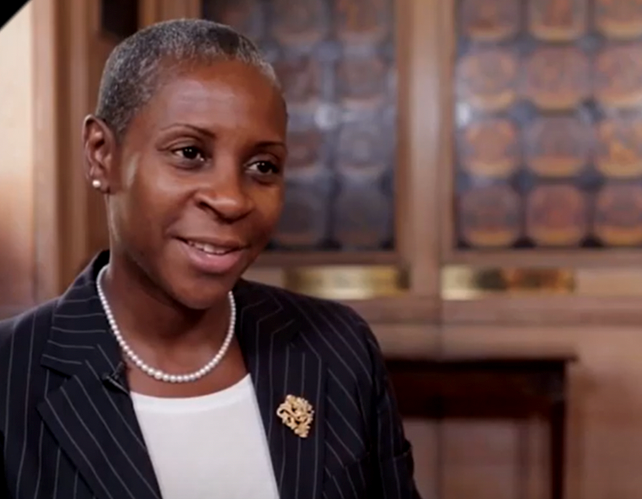
This means she became the first non-white President when she took office in 2021.
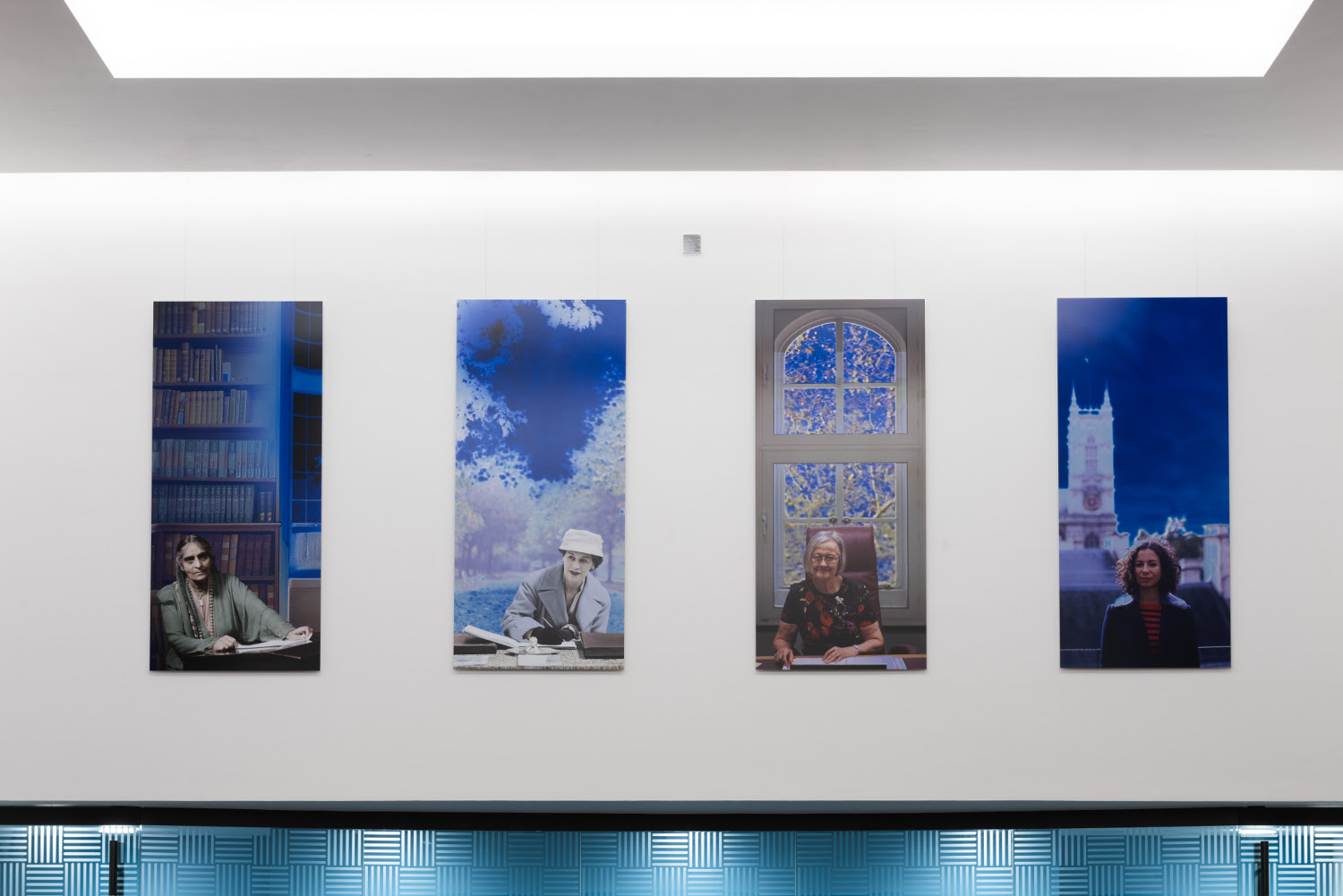
The piece, by Turner-nominated artist Catherine Yass, is the first in the Supreme Court's collection to feature women lawyers.
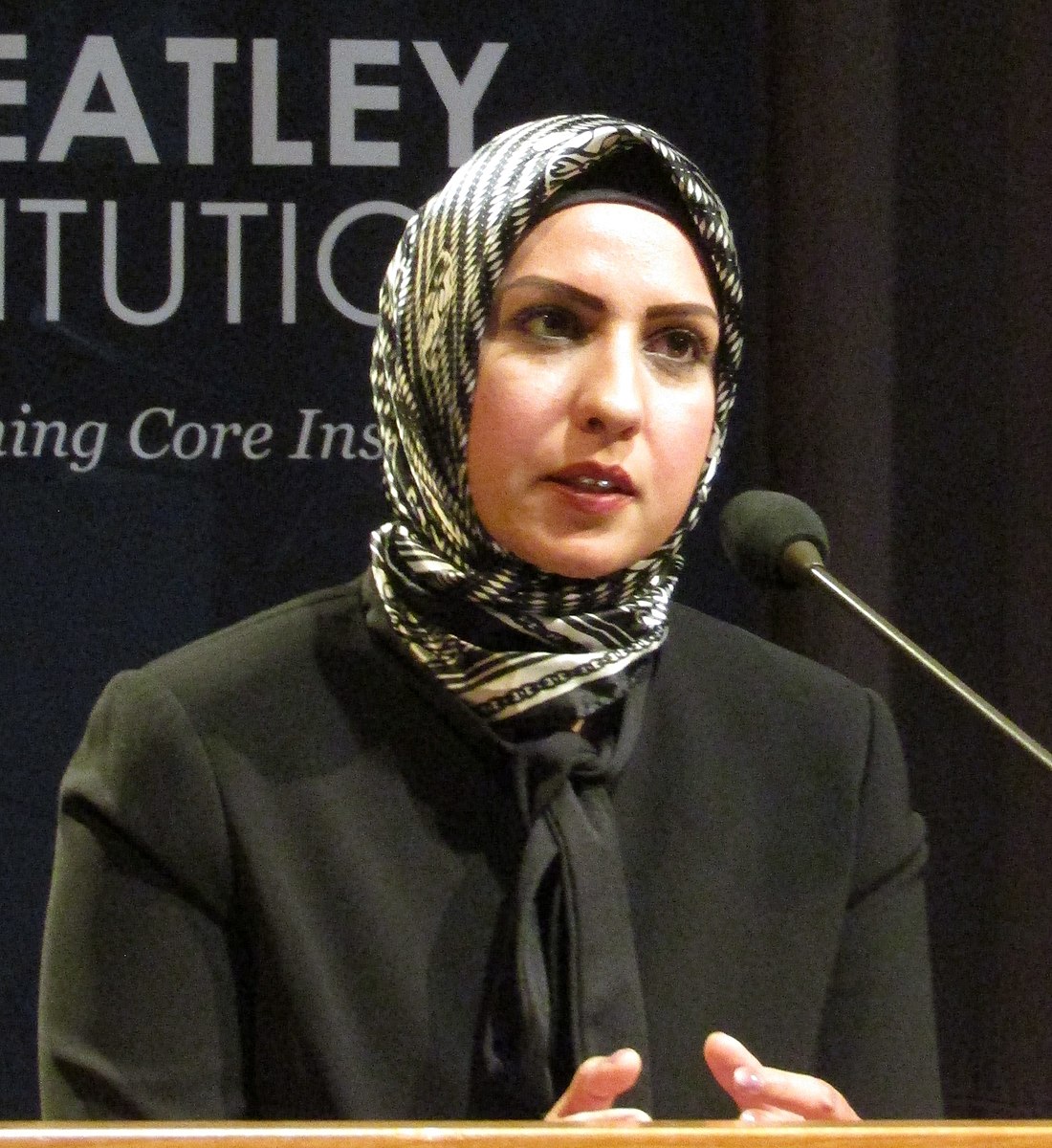
She is appointed as a Deputy District Judge on the Midlands circuit.
