
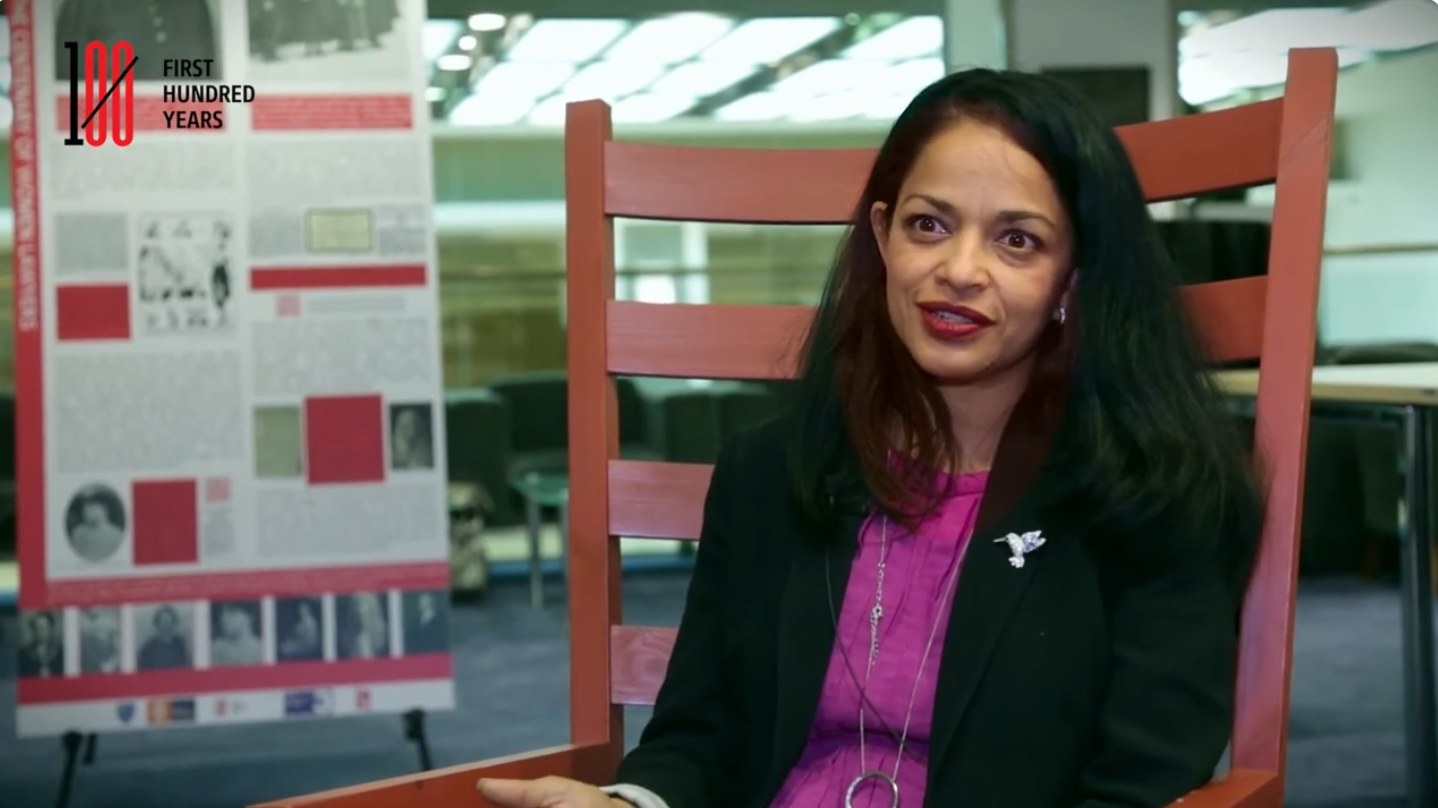
Nilema Bhakta-Jones explains that growing up with Indian parents meant education was non-negotiable and careers were seen through a narrow “doctor/lawyer/accountant” lens. As the youngest daughter with three older brothers, she noticed being treated differently because of gender, and pushed back by presenting as “one of the boys” and constantly proving she could do things she was told she couldn’t.
Bhakta-Jones says her family’s journey from India to Africa (Rhodesia/Zimbabwe) and then to the UK, and her early exposure to inequality and civil rights leaders (like Mandela and Gandhi), shaped her belief in equality and drew her into law so she could advocate for people without a voice. She intentionally chose routes that gave her early legal experience and a “differentiator” when applying to the Bar.
She describes entering the Bar as often being the only Indian face in the room, facing racism, sexism, and assumptions about her competence. She recalls her first experience of “real racism” in Britain as a child, which stayed with her and became a driving force. Professionally, she rejected being funnelled into so-called “ghetto chambers” and limited practice areas for Black and Asian barristers, insisting instead on pursuing the work and sets she wanted.
A defining highlight for Nilema Bhakta-Jones was working on high-profile proceedings connected to the Air India bombing/extradition, where she worked with leading barristers and found inspiration in senior women role models. She ends by crediting her supportive, equal partner at home as crucial to her being able to do the work she does.
